Soil testing
This initiative is designed to validate post-remediation efficacy and establish a data-driven "best practices" model for future large-scale wildfire debris removal operations nationwide.
This effort builds upon the Phase 1 and Phase 2 clean-up operations completed in February 2025.
While standard disaster protocols typically conclude after initial clearance, the EPA is implementing this additional phase to refine long-term recovery strategies.
The study focuses specifically on Lead (Pb) as the primary indicator of concern.
This scope was determined following a September 2025 comprehensive study by the Los Angeles County Department of Public Health, which screened for a wide suite of contaminants including heavy metals, polyaromatic hydrocarbons (PAHs), dioxins, and furans.
Results indicated that Lead was the only persistent fire-related pollutant detected across the Eaton area post-debris removal, making it the focal point for this statistical validation.
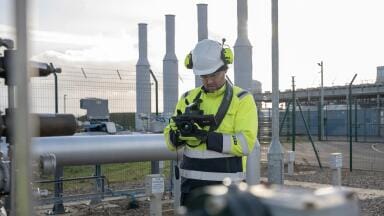
To ensure high-confidence data and minimise the spatial variability often found in urban soil sampling, the EPA is utilising Incremental Sampling Methodology (ISM).
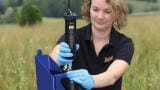
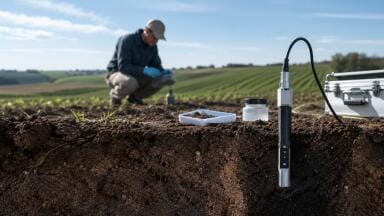
Field crews will collect 30 increments per parcel from randomly selected properties, which are then composited into a single representative sample for laboratory analysis to provide a reliable mean concentration for each property.
Vertical profiling is integrated into this process, with samples collected at two distinct intervals: the base of the original excavation at the debris removal interface and approximately 15 centimetres (6 inches) below the excavation floor.
The data gathered from this initiative will be used to provide empirical evidence that current debris removal protocols effectively mitigate soil contamination risks.
Furthermore, the EPA aims to develop predictive statistical models to inform future response thresholds for both the EPA and the U.S. Army Corps of Engineers.
This transition from emergency response "standard practice" to evidence-based, site-specific recovery frameworks is intended to strengthen wildfire response efforts on a national scale.
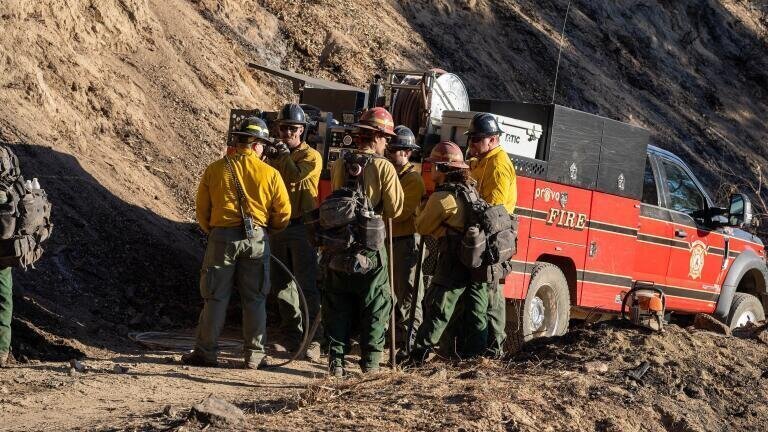
The 2025 Los Angeles wildfire response was the largest in EPA history, with Phase 1 hazardous material removal completed in a record 28 days across 13,612 residential and 305 commercial properties.
This operation included the complex recovery and disposal of over 1,000 lithium-ion batteries.
Looking forward, individual property reports and aggregated findings are expected to be finalised by the end of Spring 2026.
This data will be shared with CalEPA and Los Angeles County officials to bolster long-term resilience and recovery planning throughout the region.
IET Guide 2026

 Product directory