Soil testing
For laboratories involved in environmental analysis, EPA Method 3546 is a familiar and widely used approach for solvent extraction. Yet, in practice, many teams continue to face two persistent constraints: restricted sample throughput and limitations on sample weight.
Conventional extraction methods for contaminants such as PCBs, semi-volatile organic compounds and PAHs can be time-consuming, labour-intensive, coupled with use of large volumes of solvents. Microwave-assisted extraction (MAE) offers a more efficient alternative, using elevated temperatures and pressures to accelerate sample preparation while reducing solvent consumption.
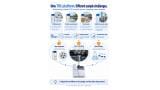
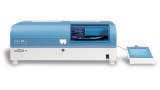
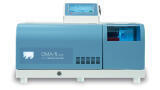
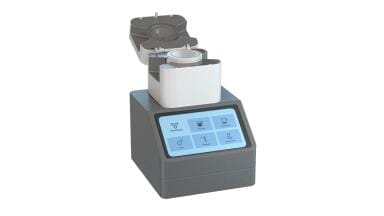
The Milestone Ethos X and the new Ethos X LEAN microwave extraction systems from Analytix are designed to extract organic target compounds from soils in full compliance with EPA 3546, operating at 100–115°C and 50–150 psi. With the ability to process up to 24 samples simultaneously and accommodate up to 30 g of sample per vessel, the systems support improved limits of quantitation (LOQ) and significantly higher laboratory productivity. In an eight-hour workday, this can translate into the extraction of more than 200 samples. The use of disposable glass vials also helps avoid contamination, memory effects and cleaning-related delays.
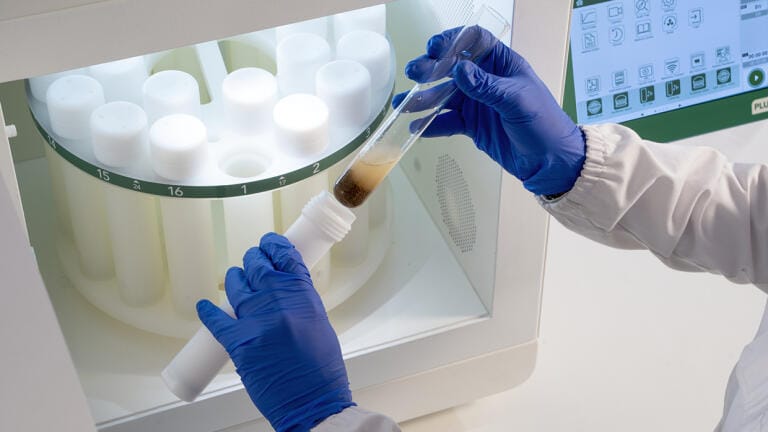
The workflow is straightforward. Samples are weighed directly into the vial, solvent mixtures such as hexane/acetone or dichloromethane/acetone are added, and the vessel is loaded into the 12 or 24-place FastEX rotor that provides contactless temperature control across all positions. After 10–20 minutes of microwave heating, the extract is ready for filtration and subsequent analysis by GC or GC-MS.
By combining disposable glass vials, rapid extraction cycles and reduced solvent use, the Ethos X provides a practical route to faster, cleaner and more cost-effective extraction of contaminants from soil samples. For laboratories seeking to increase capacity without compromising method compliance, it offers a compelling step forward.
IET 36.5 Sept/Oct 2026


 Product directory