Soil testing
The EU Soil Monitoring Law is now shaping the soil monitoring market in the present, not simply setting up a future regulatory shift. The law entered into force on 16 December 2025, making this the first phase in which Member States, laboratories, monitoring bodies, consultancies and data providers are beginning to adjust to a new European framework for soil health assessment. Its core purpose is to create a common system for monitoring soil threats including erosion, loss of organic matter, salinisation, contamination, compaction, soil sealing and loss of soil biodiversity.
The most immediate effect is not that every land manager suddenly has to buy new soil sensors. It is that national authorities now have to prepare the systems that will make regular soil assessment possible. Member States must set up monitoring systems to assess the physical, chemical and biological condition of soils, using common EU descriptors and reporting information to the European Commission and the European Environment Agency. That is already creating a practical question for the market: who will collect the samples, who will analyse them, who will manage the data, and how will national systems be made comparable?
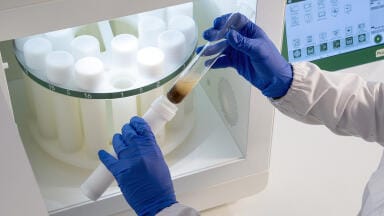
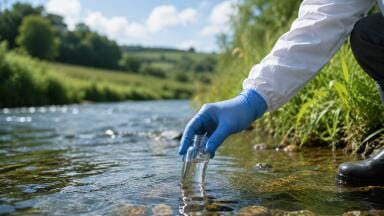
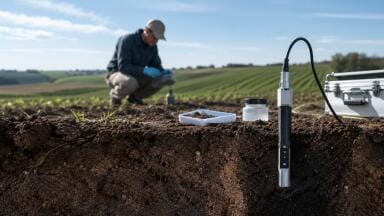
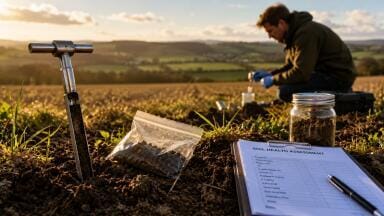
For instrumentation suppliers, the present opportunity sits across the whole monitoring chain. Soil monitoring under the law will depend on field sampling equipment, laboratory instruments, geospatial tools, remote sensing products, soil data platforms, quality assurance systems and consultancy services. Some measurements may be supported by in-field sensors, but many of the most important soil health indicators still require standardised sampling and laboratory analysis. This means the market effect is likely to be broader than a simple increase in demand for handheld devices or probes.
The law also brings contaminated land further into the monitoring conversation. The Council says the directive will improve the management of contaminated sites and introduce measures linked to land take, soil sealing and soil removal. In practical terms, this strengthens the role of environmental site investigation, chemical analysis, spatial databases, risk assessment and remediation monitoring. Local authorities, land developers, industrial operators and environmental consultancies are all likely to face growing expectations for better evidence on soil condition.
A second current driver is emerging contaminants. The directive includes steps towards monitoring substances such as PFAS, pesticides and microplastics in soils. This is especially relevant for laboratories, because these contaminants require sensitive methods, careful sample handling, validated procedures and credible detection limits. The soil market may therefore begin to resemble the water monitoring market, where concern over PFAS and other persistent pollutants has driven demand for more advanced analytical capability.
The market is also being shaped by the law’s flexibility. Member States have three years from entry into force to transpose the rules into national law, so the current period is about preparation, interpretation and national implementation choices. This matters because the final monitoring demand will differ between countries. Some already have strong soil survey institutions and contaminated land databases. Others may need to expand sampling networks, laboratory capacity and digital reporting infrastructure.
That unevenness is important for suppliers. The market is unlikely to emerge as one uniform European procurement wave. Instead, it is likely to develop through national programmes, regional pilots, agricultural advisory services, research projects, contaminated land registers and data infrastructure upgrades. Companies that can support standardisation, data comparability and regulatory reporting may benefit more quickly than firms offering isolated measurement technologies.
The law has also been criticised for being weaker than earlier versions. Environmental groups have argued that compromises during the legislative process reduced some of the stronger management obligations, especially around sustainable soil management practices. For the monitoring market, this distinction matters. A stronger restoration law might have created more direct demand for intervention, remediation and land management services. The current law is more clearly centred on assessment, information and monitoring infrastructure.
That does not make it commercially insignificant. In fact, a monitoring-first law may be particularly relevant for environmental instrumentation and data providers. Before governments can enforce stronger soil protection, fund restoration or link soil condition to agricultural and climate policy, they need reliable baseline data. The present market is therefore being shaped by the need to turn soil health from a fragmented scientific and agricultural concern into a structured regulatory dataset.
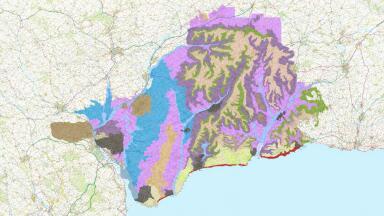
The immediate commercial effect is likely to be strongest in four areas: laboratory analysis, soil survey and sampling services, contaminated land assessment, and environmental data platforms. Remote sensing and digital mapping will also become more important, especially where national authorities need to understand soil sealing, erosion risk, organic carbon trends or land-use change across large areas. The European Commission has said the law applies to soils in forests, agricultural land, urban areas and other environments, which widens the potential monitoring base beyond farming alone.
For the UK market, the law does not apply directly after Brexit, but it may still influence procurement and expectations. UK laboratories, consultancies, technology suppliers and agri-food businesses working with EU clients may need to align with EU soil descriptors, data expectations and contaminant priorities. The law may also increase pressure for the UK to clarify its own approach to soil health monitoring, especially as soil carbon, nutrient management, contamination, biodiversity and land-use resilience become more central to environmental policy.
The key point is that the soil monitoring market is already moving from occasional testing towards organised soil intelligence. The law’s first effects are administrative and infrastructural, but those are exactly the conditions that create long-term demand for monitoring. As Member States prepare national systems, suppliers are being pulled into a market defined by repeatable measurement, comparable data, validated methods and the ability to connect soil condition with climate, agriculture, pollution and land-use decisions.
IET 36.5 Sept/Oct 2026



 Product directory