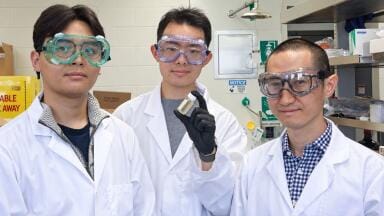
Environmental laboratory
The dataset combined 659 newly collected blood samples from ten seabird species at breeding sites in Japan, Alaska and New Zealand, gathered between 2017 and 2024, with a systematic review of 106 publications covering more than 10,556 birds from 105 species.
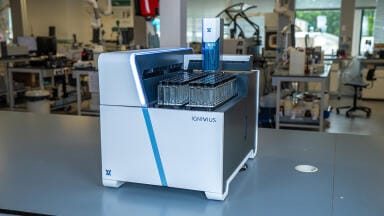
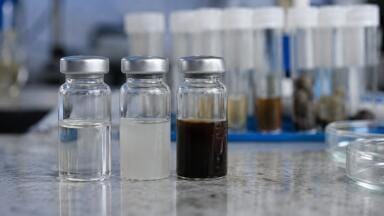
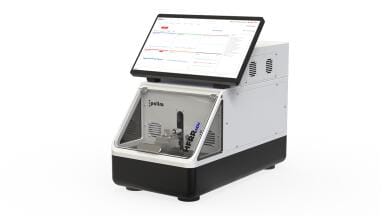
Total mercury concentrations were measured using atomic absorption spectrometry and standardised to mercury per gram of dry weight in whole blood for comparison.
The findings were published in the journal Science of the Total Environment.
The analysis found that mercury levels in seabirds vary according to prey trophic level, body weight and foraging depth, with higher mercury levels recorded in birds feeding on prey from depths of 200 to 1,000 metres.
Regional patterns showed higher mercury contamination in the North Atlantic, North Pacific and South Pacific below 40 degrees south, and in low-productivity areas, while levels were markedly lower in the South Atlantic and Southern Oceans.

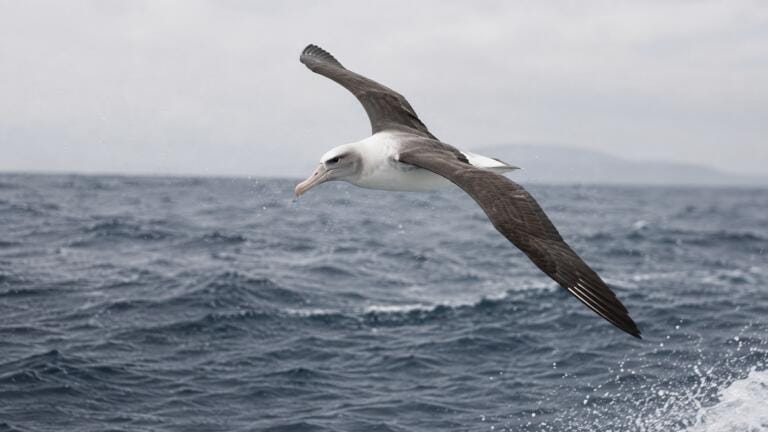
Albatrosses and shearwaters showed greater mercury exposure than other species studied.
Professor Akiko Shoji of Nagoya University's Graduate School of Environmental Studies said: "The seabird model is based on empirical measurements from organisms and is therefore considered more reliable than values from marine simulation models. Seabirds live in diverse environments, from coastal and tropical zones to polar regions. Their varied feeding patterns make them effective indicators of global ocean health."
The researchers said the approach offers a method to monitor and verify the effectiveness of international mercury emission regulations, including the Minamata Convention.
IET 36.5 Sept/Oct 2026




 Product directory