Environmental laboratory
PFAS analysis has become one of the most closely watched topics in environmental testing. Regulatory focus is increasingly extending beyond water samples to solid matrices such as soils, sediments, biosolids, and tissues. These matrices introduce additional analytical complexity, requiring extraction workflows that are robust and reproducible, while remaining efficient, contamination-free, and compatible with high laboratory throughput.
What PFAS analysis makes particularly evident is a broader reality already familiar to environmental laboratories: sample preparation for solid samples is often the most demanding and time-consuming step in the analytical workflow. Whether targeting emerging contaminants or routine organic pollutants, laboratories are under constant pressure to deliver reliable results faster, with fewer manual steps and improved control over safety and operating costs.
For decades, solid sample extraction has relied on techniques such as Soxhlet, sonication, shaker-based methods, or pressurised systems. While well established, these approaches are typically labour-intensive, require multiple manual steps, long extraction times, high solvent consumption, and extensive vessel handling and cleaning. As sample volumes increase, these workflows increasingly limit productivity and introduce variability and contamination risks.
In recent years, microwave-assisted extraction has evolved into a dedicated solution specifically designed for environmental testing laboratories, offering a practical response to these limitations. By performing extraction in closed vessels at controlled temperature and pressure, microwave systems significantly accelerate extraction while improving reproducibility and reducing solvent use. This approach is fully aligned with official methods, including EPA 3546 for organic pollutants and EPA 1633 for PFAS analysis in solid matrices.
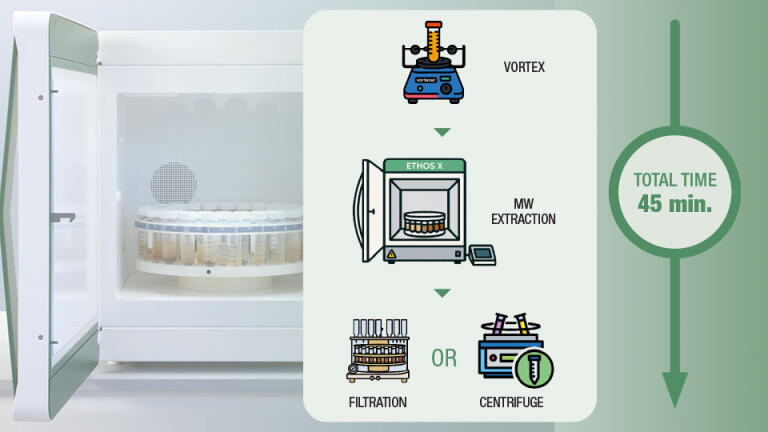
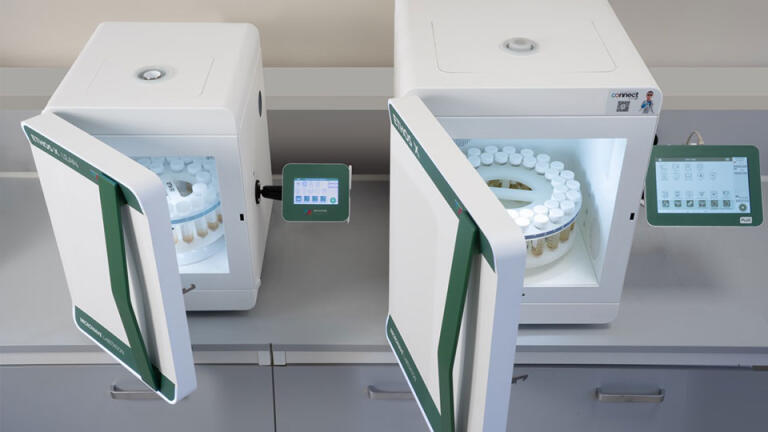
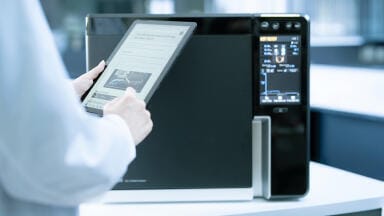
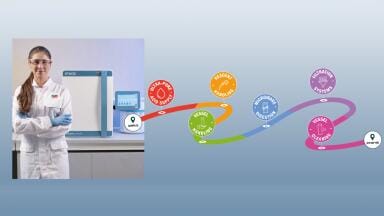
The Milestone ETHOS X, equipped with application-specific rotors, has been designed to meet the operational needs of environmental laboratories working with solid samples. Rather than replicating traditional multi-step workflows, ETHOS X integrates extraction into a single, closed-vessel process, replacing hours of manual handling with a fast, controlled, and repeatable operation.
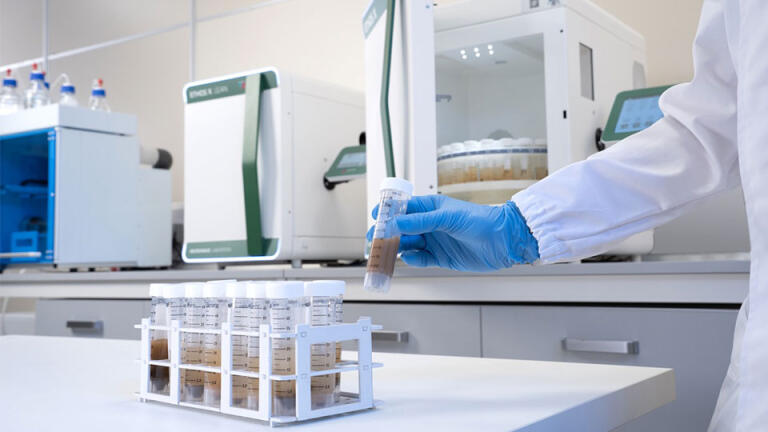
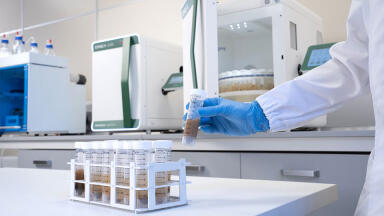
For PFAS analysis, the XTR-44 rotor allows laboratories to process up to 44 solid samples simultaneously using PFAS-free disposable vessels. Reduced solvent volumes, precise temperature control, homogeneous heating, and efficient extraction ensure consistent results while minimising operator exposure and manual intervention. Watch video
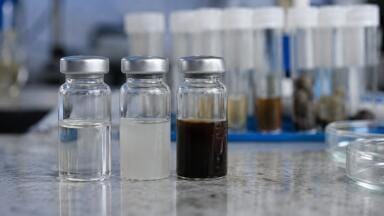
For routine organic pollutants analysis, including semivolatile organics, PAHs, PCBs, and dioxins, the fastEX-24 configuration is specifically optimised for solid samples. Large-volume disposable glass vials eliminate cleaning steps entirely, prevent memory effects and cross-contamination, and simplify daily operation. This configuration also enables larger sample masses to be processed efficiently, supporting lower detection limits and faster turnaround times.
Across both applications, ETHOS X delivers the same core advantages valued by environmental laboratories: fast extraction, high throughput, no cleaning, reduced solvent consumption, less operator time, and rapid implementation. By transforming traditional manual, step-intensive extraction into a streamlined single-step process, ETHOS X improves efficiency, safety, and consistency without compromising analytical quality.
IET 36.5 Sept/Oct 2026

 Product directory












.jpg)