Health & safety
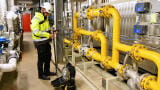
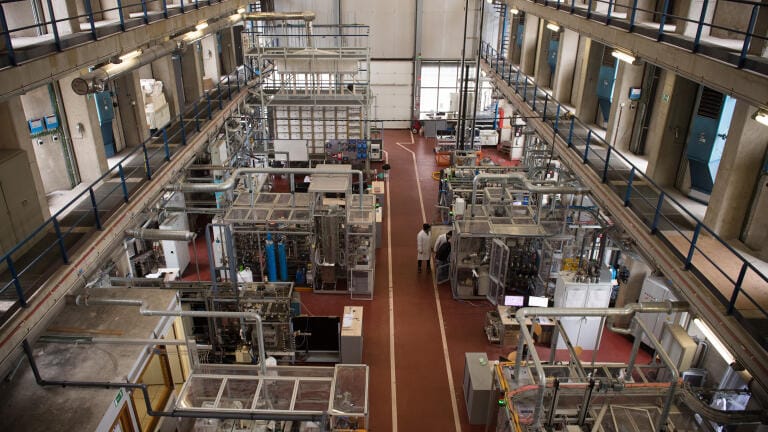
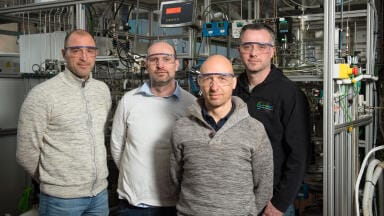
At Ghent University (UGent), the technical hall of the Laboratory for Chemical Technology (LCT) accommodates around 100 researchers working across fields including hydrocarbon steam cracking and the fast pyrolysis of biomass and plastics. The LCT continuously develops and builds experimental setups for current and future industrial applications, and UGent has chosen DALEMANS to install gas detection systems across the facility.
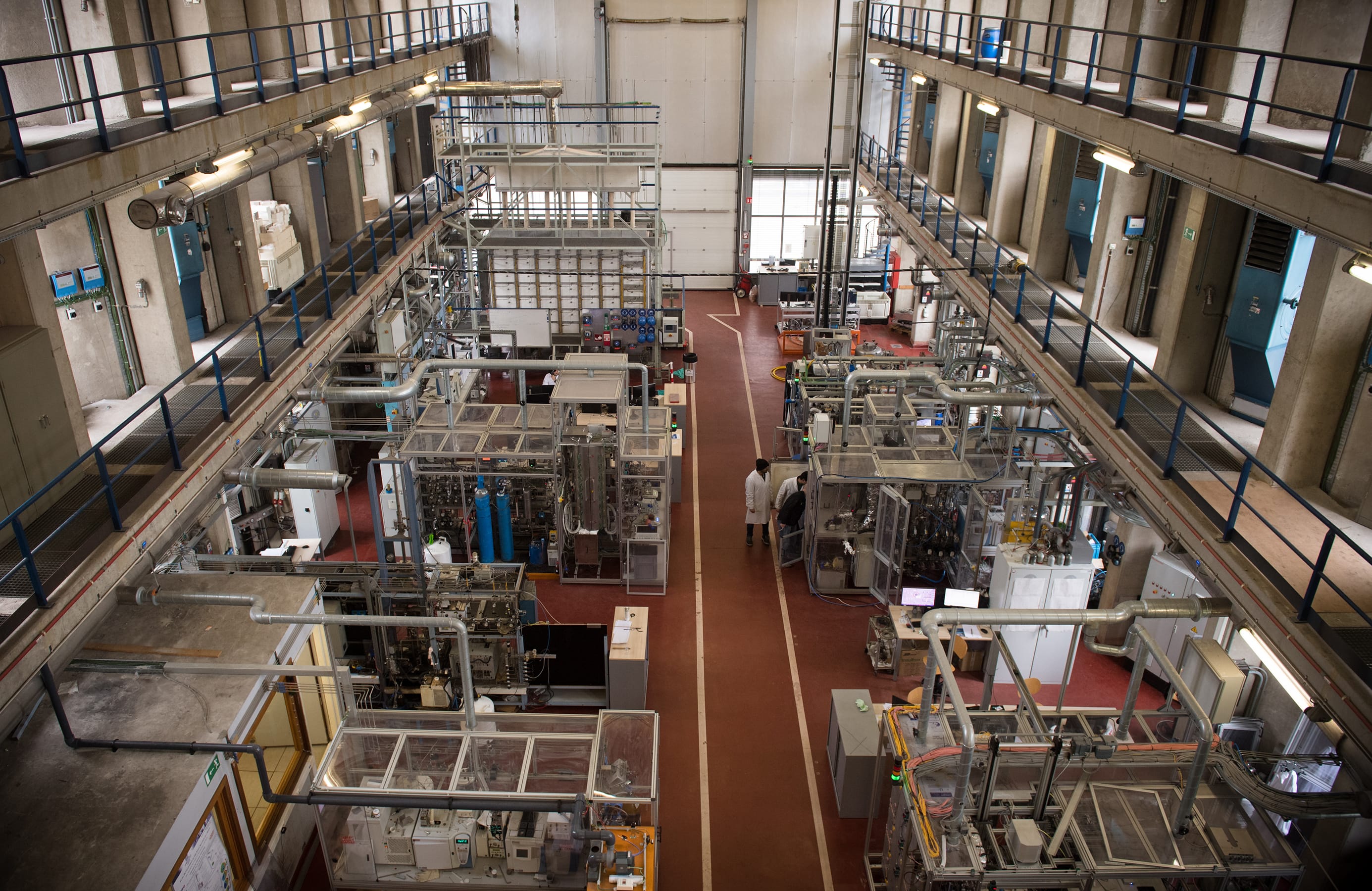
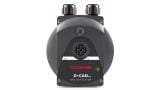
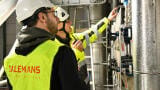
"Different tests are conducted in each laboratory," explains François Spadazzi, sales engineer at Dalemans. "In each one, we installed various gas detectors—HC, CO₂, H₂S, NO₂, SO₂, CO, and oxygen, depending on the applications of each machine." Additional explosive gas detectors were installed at various locations throughout the hall, with seven control panels fitted inside the building itself. "Generally, control panels are located outside the monitored area. This allows operators to safely check gas concentrations when an alarm is triggered."
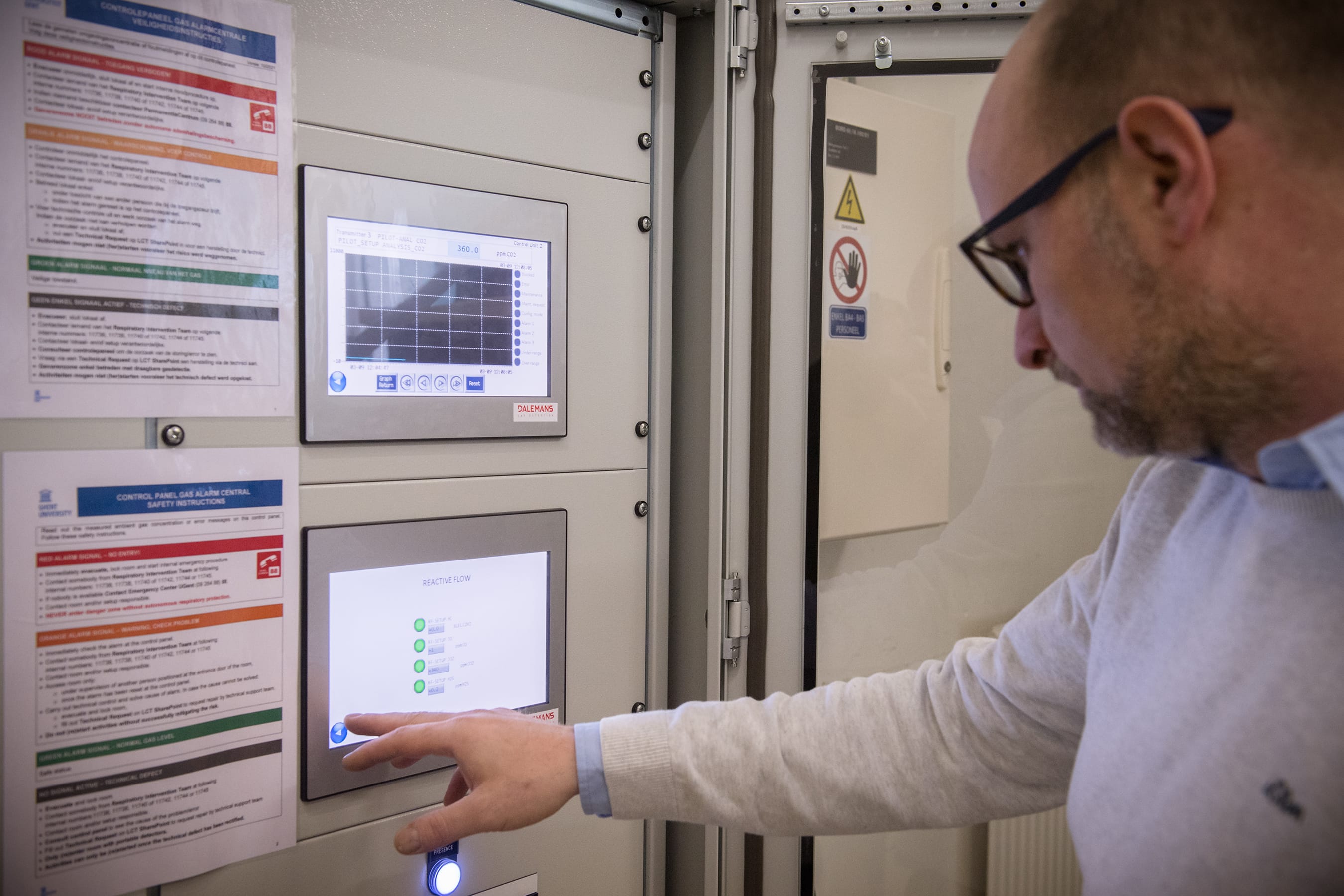
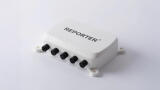
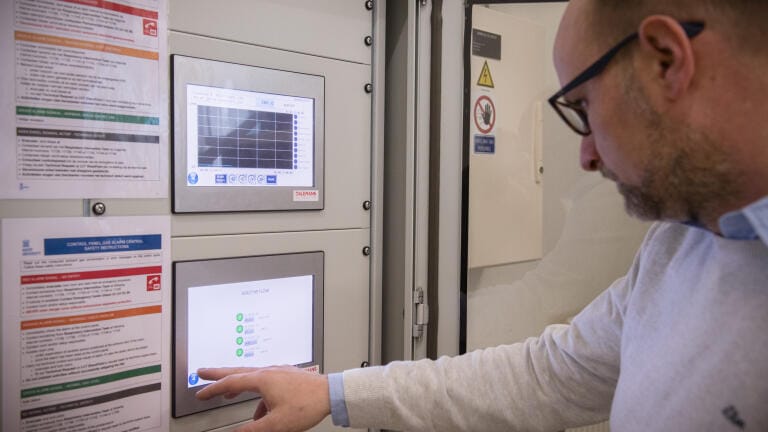
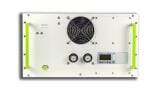
In this case, a large 19-inch cabinet in a technical room outside the protected area houses two synoptic displays showing the hall layout, each zone and every detector with its respective alarms. When an alarm sounds, operators do not need to enter the hall: gas concentrations can be checked and detectors in alarm or fault status reset remotely through the synoptic displays.
"We proposed several solutions to UGent's project managers," adds Spadazzi. "We were highly flexible. We didn't impose our solutions—we respected their specifications. Everything was custom-designed to meet their needs: synoptics layouts, tower light operation, and remote detector calibration." Once the work was completed, DALEMANS carried out all the necessary commissioning checks.
IET 36.5 Sept/Oct 2026



 Product directory















.jpg)