
Gas analyser
The increasing adoption of electric vehicles is creating new challenges for engineers responsible for the safety of buildings and infrastructure. Among the most significant is the risk of thermal runaway in lithium-ion batteries, particularly in enclosed environments such as underground car parks.
Although battery failures remain relatively rare, thermal runaway can develop rapidly once initiated, generating heat and releasing gases before visible signs of fire appear. This has prompted growing interest in technologies capable of identifying the earliest indicators of battery failure, providing valuable time for intervention and risk mitigation.
One area of development is advanced gas sensing. Unlike many traditional flammable gas detection technologies, newer sensor platforms are designed to resist poisoning and minimise long-term drift, helping to improve reliability while reducing maintenance requirements. Such characteristics are particularly important in safety-critical applications where consistent performance is essential.

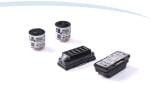
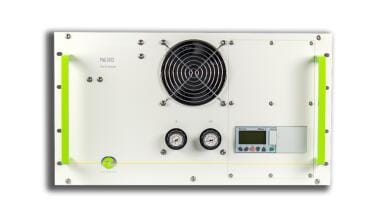
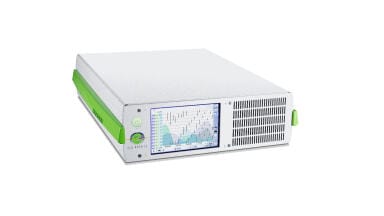
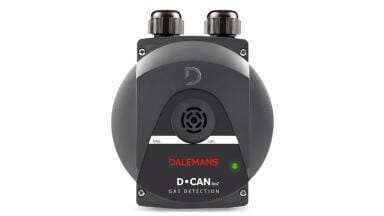
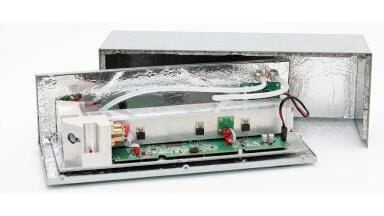
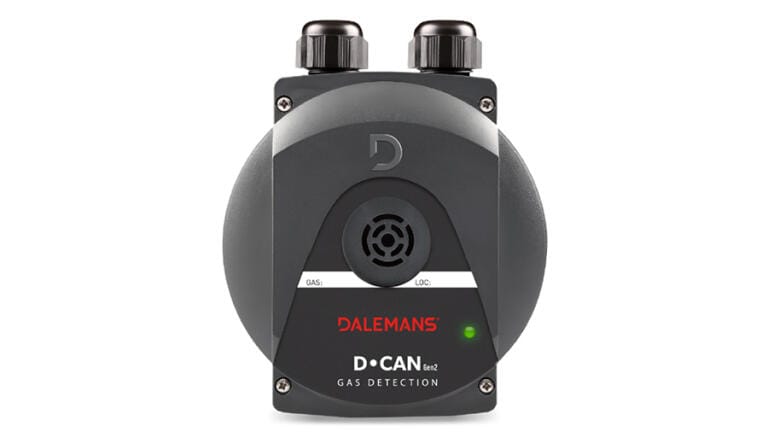
The integration of NevadaNano's Molecular Property Spectrometer™ (MPS™) sensor technology into DALEMANS' gas detection systems reflects this wider trend. The technology is being evaluated for applications including underground car parks, where the aim is to identify characteristic gas signatures released during the earliest stages of battery degradation.
“This integration represents a major milestone for DALEMANS,” said Gerald Olivier, Sales Director at Dalemans. “By combining our field expertise and installer network with NevadaNano’s breakthrough sensing technology, we are setting a new benchmark for gas detection—especially in demanding environments like underground car parks.”
For engineers, the attraction of such systems lies in their potential to provide earlier warning of abnormal battery behaviour. As electric vehicle charging infrastructure becomes more widespread, there is increasing recognition that conventional fire detection systems may benefit from complementary technologies capable of detecting precursor gases before temperatures reach critical levels.
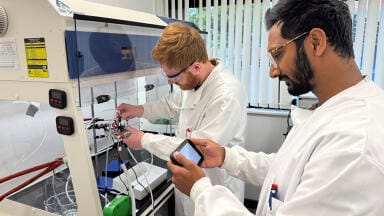
The development of these solutions also highlights the importance of real-world validation. Factors such as ventilation, humidity and background contaminants can all influence sensor performance, making field testing an essential part of the deployment process.
“We are excited to collaborate with Dalemans, a company with deep market knowledge and strong customer relationships in the Benelux region,” added Karl Robert, Channel & Go To Market Director at NevadaNano. “Together, we are not only bringing advanced gas sensing technology to market but also ensuring it is rigorously validated and continuously improved for real-world applications.”
As the built environment adapts to increasing electrification, advances in gas sensing and early-warning technologies are likely to play an increasingly important role in managing emerging safety risks. The ability to detect the first signs of battery failure could provide an additional layer of protection for both people and infrastructure.
IET 36.5 Sept/Oct 2026


 Product directory