Gas detection
When people enter enclosed spaces aboard ships, knowing exactly what is in the atmosphere around them can be critical. That's why Teledyne Gas and Flame Detection (Teledyne GFD), part of Teledyne Technologies Incorporated, is helping the maritime industry respond to updated safety guidance from the International Maritime Organization (IMO).
The latest recommendations, set out in IMO Resolution MSC.581(110), encourage operators to expand atmospheric testing procedures to include carbon dioxide alongside other potentially hazardous gases. The changes reflect an increasing awareness of the risks associated with enclosed-space entry and the importance of providing crews with accurate information before work begins.
For ship operators, the revised guidance represents another step towards improving safety at sea. It also highlights the growing role of gas detection technologies in helping crews identify hazards that may not be visible but can pose serious risks to health and safety.
“The IMO’s revised recommendations represent an important advancement for maritime safety,” said Thibault Fourlegnie, Vice President and General Manager, Teledyne GFD. “We provide practical gas detection solutions that help customers improve enclosed-space safety and meet evolving compliance expectations.”
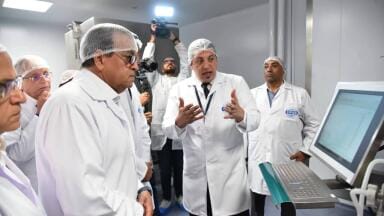
The company manufactures its gas detection systems at its facility in Renfrew, Scotland, drawing on more than 75 years of experience in industrial safety technology. As demand for enhanced monitoring solutions continues to grow around the world, Teledyne GFD is continuing to invest in the site and its capabilities.
The increased emphasis on enclosed-space safety is already being reflected across the maritime sector, with Teledyne GFD reporting a number of related project awards this year as operators look to strengthen safety procedures and prepare for evolving regulatory expectations.
IET 36.5 Sept/Oct 2026



 Product directory