Industrial emissions
For many landfill operators, managing odours is about far more than avoiding complaints. It is a balancing act between environmental responsibility, operational efficiency and maintaining good relationships with neighbouring communities. As regulations tighten and expectations around environmental performance continue to rise, understanding exactly what is happening across a landfill site has never been more important.
Landfills are dynamic environments. As waste decomposes, it releases a complex mixture of gases, including methane, hydrogen sulphide, ammonia, and volatile organic compounds (VOCs). Methane remains a significant concern because of its role as a greenhouse gas, while the other compounds are often responsible for the odours that can quickly become a source of frustration for nearby residents. The challenge is that emissions rarely remain constant. They fluctuate throughout the day, vary from one area of a site to another and are heavily influenced by weather conditions, waste composition and routine operational activities.
Traditionally, operators have relied on periodic sampling campaigns to assess emissions. While these surveys provide valuable information, they only offer a snapshot in time. Short-lived emission events or rapidly changing conditions can easily go unnoticed, making it difficult to identify the source of odour episodes or assess the effectiveness of mitigation measures. As a result, many operators are moving towards continuous monitoring to gain a more complete understanding of emissions and support faster, evidence-based decision-making.
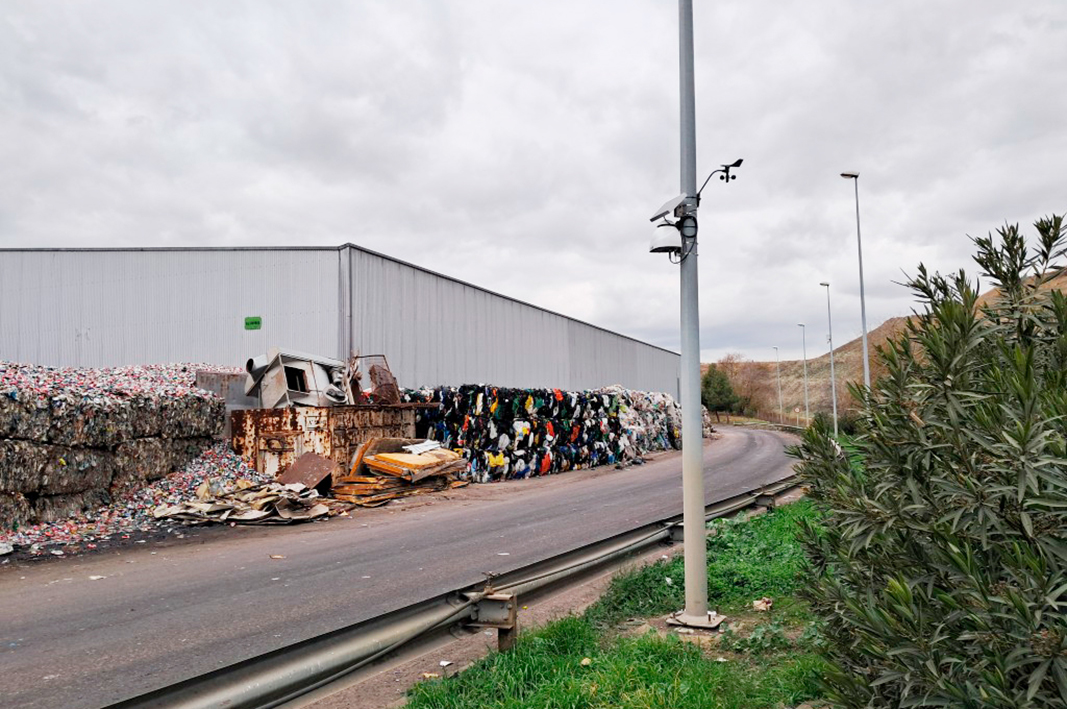
One example is the Valdemingómez landfill in south-east Madrid, one of Spain's largest municipal waste management facilities. Operating since 1985, the site covers more than 150 hectares and has received over 20 million tonnes of waste. Managing emissions across an operation of this scale demands detailed, real-time information rather than occasional surveys.
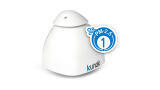
To meet this challenge, environmental engineering company Aquatec-Veolia implemented a continuous monitoring network using Kunak's AIR Pro air quality monitoring stations. Installed at strategic locations across the landfill, the network continuously measures methane, hydrogen sulphide, ammonia and VOCs, providing a detailed picture of how emissions vary both spatially and over time.
The data is transmitted wirelessly to a cloud platform, where it can be viewed in real time and analysed alongside meteorological conditions and operational activities. This integrated approach allows operators to identify emission hotspots, understand how gases disperse under different weather conditions and determine whether specific site activities are influencing air quality. Automated alerts also enable rapid intervention when gas concentrations exceed predefined thresholds, helping operators respond before odour events develop into larger problems.
The benefits extend well beyond compliance. Continuous monitoring provides a stronger evidence base for environmental reporting, helps optimise gas capture and mitigation strategies and enables resources to be targeted where they will have the greatest impact. Perhaps most importantly, it shifts environmental management from a reactive exercise to a proactive one, allowing decisions to be based on objective data rather than isolated measurements or public complaints.
As pressure grows to reduce emissions and improve environmental performance, technologies such as Kunak's AIR Pro are demonstrating how continuous monitoring can become an integral part of modern landfill management. By transforming environmental data into operational insight, operators can better understand emission patterns, improve decision making and reduce the impact of landfill operations on both the environment and surrounding communities.
IET Guide 2026

 Product directory









.jpg)


.jpg)