Industrial emissions
The EPA is due to propose a rewrite this autumn.

The Hazardous Organic National Emission Standards for Hazardous Air Pollutants (HON) rule was finalised by the EPA in April 2024.
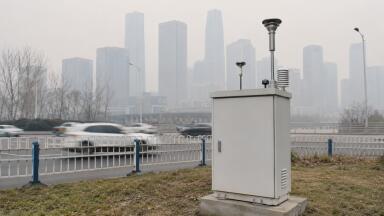
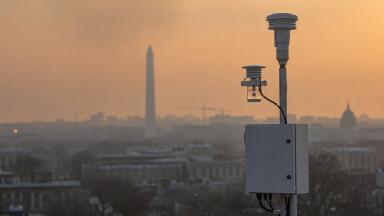
It tightened emissions limits on ethylene oxide and chloroprene at chemical manufacturing plants and, for the first time, required fenceline monitors to track six hazardous air pollutants.
The six are ethylene oxide, chloroprene, benzene, ethylene dichloride, vinyl chloride and 1,3-butadiene. Where readings exceeded set limits, operators were required to investigate and carry out repairs.
The rule applies to more than 200 large petrochemical facilities, according to EPA’s own facility list, with close to 60 per cent concentrated in Texas and Louisiana.
The Trump administration has granted a series of temporary exemptions from the rule since mid-2025.
More than 50 facilities received two-year exemptions under a presidential proclamation issued in July 2025. It invoked a Clean Air Act provision covering cases where compliance technology is judged unavailable and national security interests apply.
Environmental lawyers say the provision had not previously been used for this purpose. A further 20 facilities received similar exemptions in July 2026.
The EPA has said it intends to propose a rewrite of the HON rule itself this autumn. The specific provisions it intends to amend, including fenceline monitoring itself, have not yet been published.
A coalition of advocacy groups, including Concerned Citizens of St. John and RISE St. James Louisiana, sued the administration in the US District Court for the District of Columbia in October 2025.
The groups argue the exemptions rest on unsupported claims and function as a pretext to relieve facilities of compliance obligations while the rule is rewritten. That litigation was ongoing at the time of writing.
Industry groups take a different view. The American Chemistry Council has described the HON rule as overly stringent, arguing it exceeds the EPA’s statutory authority and was finalised without full regard to technological availability.
For monitoring and instrumentation suppliers serving the petrochemical sector, the immediate picture is one of deferred rather than cancelled demand.
Facilities holding exemptions are not currently required to install or operate fenceline systems for the exempted period.
The scope of any rewritten rule, including whether fenceline monitoring survives in its current form, will not be clear until the EPA publishes its proposal.

Suppliers with committed installation programmes at exempted facilities should treat near-term deployment schedules at those specific sites as provisional, pending both the rulemaking and the pending litigation.
The EPA has said its air toxics proposals aim to protect American industry and supply chains while continuing to limit unnecessary exposure to hazardous air pollutants.
It has not yet specified how it will reconcile that aim with a rule change expected to scale back monitoring introduced specifically to address exposure to two chemicals classified as carcinogens.
IET Guide 2026

 Product directory






.jpg)








.jpg)