
Air quality monitoring
Fugitive emissions are not just environmental losses. They are hidden operational risks that accumulate into product waste, safety exposure and regulatory liability. Traditional LDAR (Leak Detection and Repair) programs detect leaks periodically. Modern industrial control demands something more powerful: continuous, real-time intelligence.
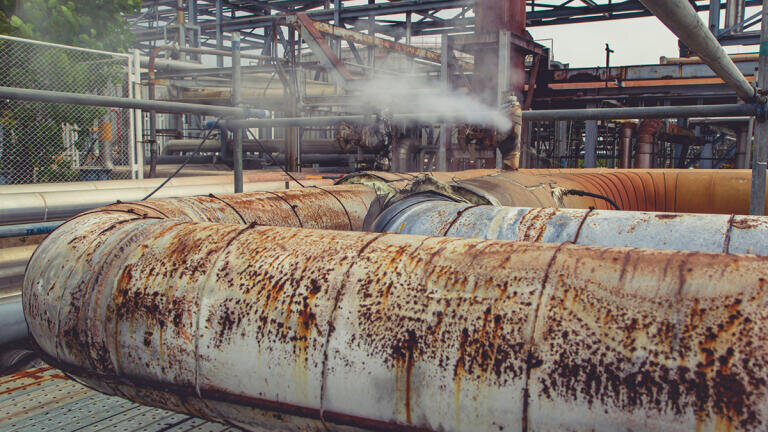
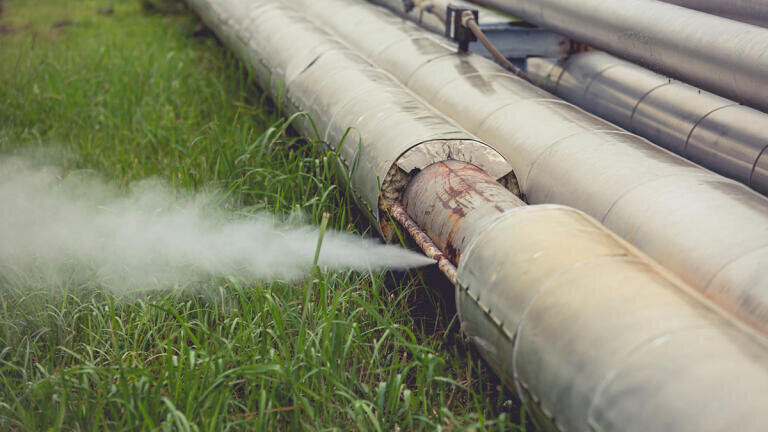
In process industries, valves, flanges, pumps, tanks and compressors can release gases invisibly for extended periods before detection. Although individual leaks may appear minor, their cumulative impact translates into measurable economic losses, regulatory exposure and increased process risk.
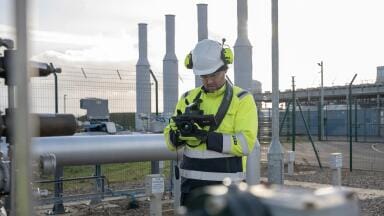
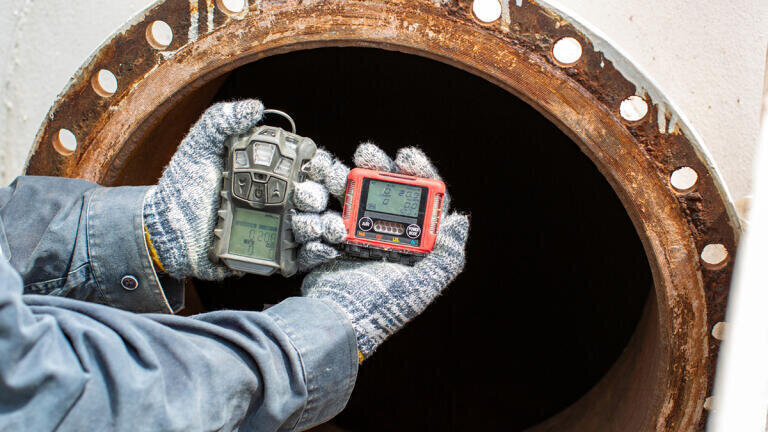
Conventional Leak Detection and Repair programs are structured around scheduled inspection campaigns using portable instrumentation or optical gas imaging. While effective for formal reporting, this approach creates unavoidable intervals between inspections during which leaks may remain active. In installations with thousands of potential emission points, this delay can significantly increase cumulative emissions.
Regulatory frameworks such as the U.S. Clean Air Act, including NSPS and NESHAP requirements, or the European Industrial Emissions Directive, require structured monitoring and documented repair. However, compliance based solely on periodic inspection remains inherently reactive. Detection occurs only when the inspection takes place, not when the leak actually begins.
Reducing the time between leak occurrence and corrective action is therefore critical. The shorter the interval, the lower the accumulated emission, the product loss and the associated safety exposure.
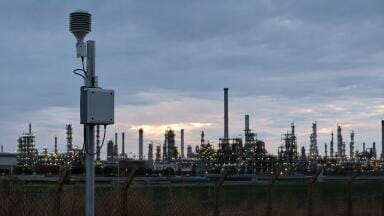
The evolution of LDAR lies in integrating continuous multiparameter monitoring networks that complement regulated inspection campaigns. Distributed IoT gas sensors installed at critical process points detect abnormal concentration patterns in real time and trigger automatic alerts when predefined thresholds are exceeded.
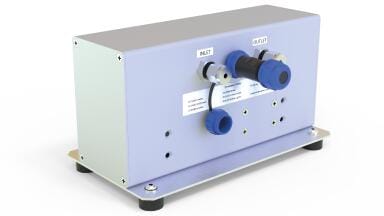
Kunak AIR stations are engineered for demanding industrial environments and can monitor gases commonly involved in LDAR programs, including hydrogen chloride, hydrogen fluoride, ammonia, hydrogen sulphide, chlorine, carbon monoxide, carbon dioxide, nitrogen dioxide, sulphur dioxide, methane and volatile organic compounds. Their modular cartridge architecture enables process-specific configuration without interrupting operation, while industrial-grade protection and flexible connectivity allow integration with DCS or SCADA systems or autonomous deployment in remote areas.
Measurement alone does not create value without structured analysis. The Kunak Cloud platform centralises sensor data, providing real-time geolocated visualisation, configurable alert thresholds and advanced statistical tools. Integrated maintenance traceability supports documentation of inspections, interventions and verification steps, strengthening regulatory defensibility and ESG reporting.
By shifting from periodic detection to continuous surveillance, LDAR becomes more than a compliance exercise. It becomes a predictive maintenance layer, reducing product loss, minimising the risk of hazardous atmospheres and generating auditable environmental performance data.
In this context, smart LDAR transforms fugitive emission management from reactive inspection into data-driven operational control, aligned with modern industrial efficiency, safety and sustainability objectives.
IET Guide 2026

 Product directory















.jpg)