Air quality monitoring
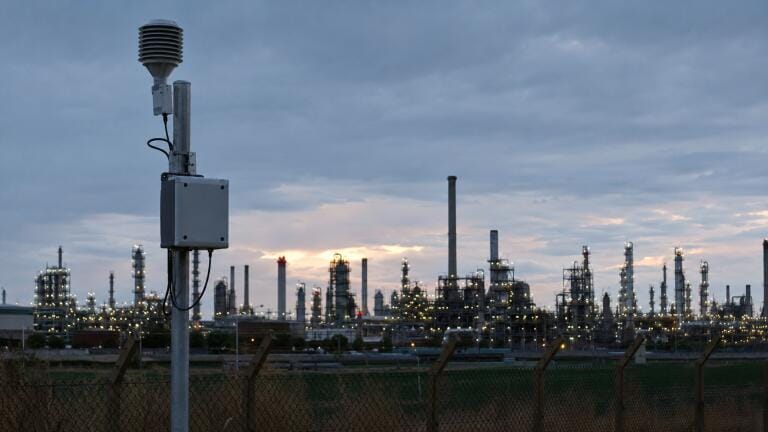
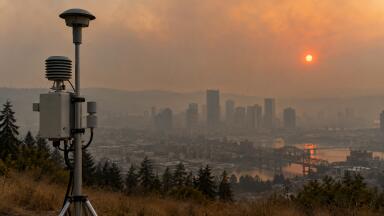
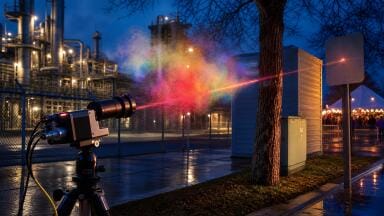
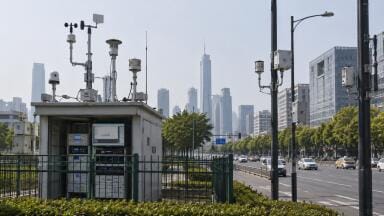
Delaware City Refining Company is midway through installing real-time fenceline air monitoring for volatile organic compounds (VOCs), after state regulator DNREC ordered the equipment following a poorly managed butane release.
The rollout offers a concrete, still-unfolding example of what happens when a regulator sets an aggressive timeline for equipment that is more often installed voluntarily.

On 26 to 27 November 2025, a release at the refinery lasted around 19 hours and totalled roughly 108.75 tons of chemicals, including nearly 50,000 lb of butane.
DNREC Secretary Gregory Patterson issued an order on Friday, 12 December 2025, giving the refinery 70 days to install and operate real-time VOC fenceline sensors.
The order requires the system to trigger automatic alerts to DNREC and the public when thresholds are exceeded, and for the company to identify and correct the source of any exceedance.
Patterson noted the refinery had experienced three significant environmental incidents that year.
The refinery appealed the order to Delaware's Environmental Appeals Board, arguing the 70-day timeline was technically infeasible and risked producing unreliable data rather than meaningful protection.
A company statement issued on Wednesday, 31 December 2025 said it would work with DNREC to amend, and ultimately comply with, the order.
By Thursday, 7 May 2026, DNREC reported the refinery had acquired fenceline sensors and put four into immediate operation, though the public-facing readings website was not yet complete.
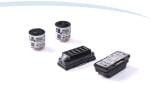
The specific make or model of the sensors has not been disclosed in public filings.
DNREC's own hourly air quality data for the area remains available through its existing monitoring network.
Around the same time, the refinery notified DNREC it would shift its coker carbon monoxide boiler to secondary emissions control for repairs expected to last around four weeks, causing significantly elevated sulphur dioxide (SO₂) emissions.
It is a repeat of a 17-day event in May and June 2025, during which the highest hourly reading at DNREC's Delaware City monitor reached 29.6 ppb, against a health-based standard of 75 ppb, with most hourly readings at 2 ppb or below.
DNREC has separately added an instrument to measure total VOCs at its own Route 9 monitoring station downwind of the refinery, and deployed a low-cost particulate sensor at a nearby community centre under an enforcement-funded environmental improvement project.
The case illustrates how quickly fenceline monitoring can move from voluntary best practice to enforceable requirement once a regulator decides the risk warrants it.
It also shows the gap that can open between hardware being installed and a functioning public dashboard being live – a distinction worth watching for any facility planning its own transparency measures ahead of, rather than in response to, it becoming regulated.

Fenceline monitoring is increasingly treated as a compliance expectation rather than an optional add-on, and this case shows both the pace regulators can demand and the practical lag between an order and full public transparency.
Facilities operating without such systems may find less room to negotiate timelines once an incident triggers regulatory attention.
IET 36.5 Sept/Oct 2026


 Product directory






















.jpg)