Air quality monitoring
Nama Water Services (NWS) has deployed 28 Kunak AIR Pro stations across wastewater treatment plants in Oman, using continuous H2S, NH3 and VOC measurements to identify odour patterns, improve incident response and target corrective action.
Odour emissions at wastewater treatment plants can vary significantly with influent characteristics, treatment processes and meteorological conditions. For NWS, recurring odour nuisance episodes near several facilities created a need for continuous environmental data that could support operational decisions and provide stronger technical evidence when investigating complaints.
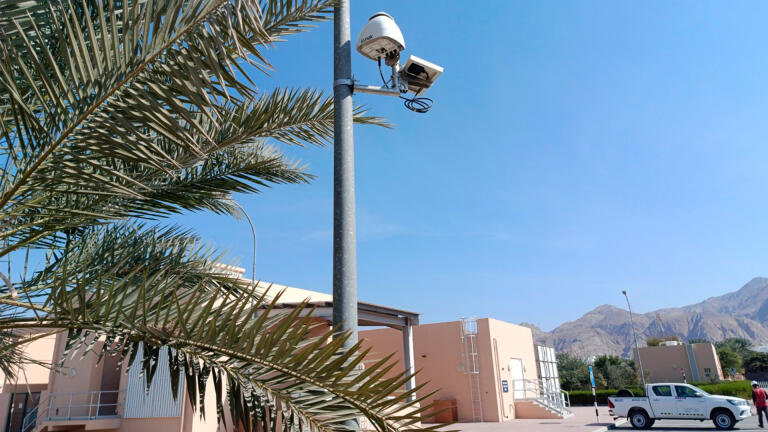
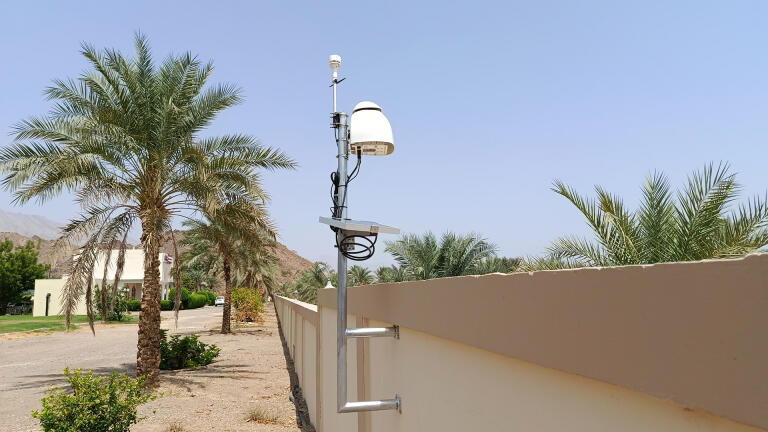
The monitoring network consists of 28 Kunak AIR Pro stations equipped to measure hydrogen sulphide (H2S), ammonia (NH3) and volatile organic compounds (VOCs), together with meteorological parameters including wind speed and direction.
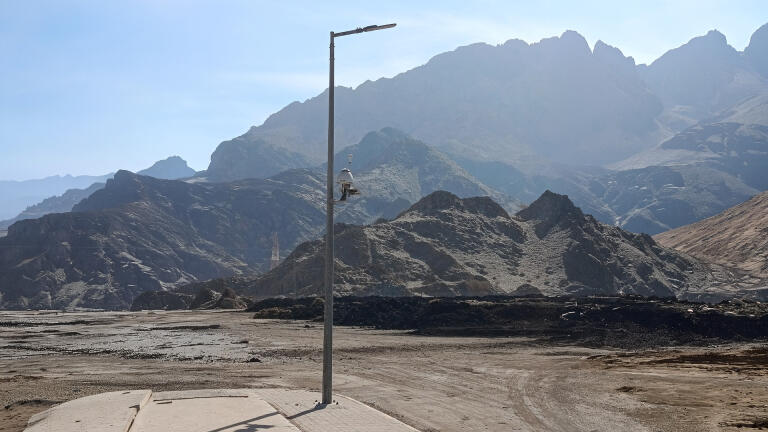
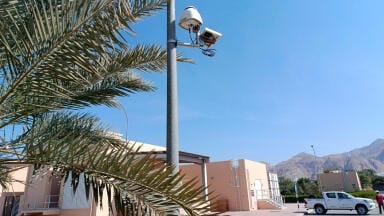
Stations are distributed across treatment plants in different Omani cities. Solar panels and internal batteries support autonomous operation, while their portability allows NWS to rotate equipment between facilities according to operational priorities.
Data from the network are centralised in Kunak Cloud, enabling environmental teams to visualise measurements in real time, identify trends and anomalies, generate reports and maintain traceable records of monitoring and quality control activities.
Continuous measurements revealed recurring H2S peaks at several plants, particularly associated with septic influent arrivals and specific periods of operation. By relating these events to process conditions and meteorological data, NWS was able to target adjustments to headworks ventilation and chemical dosing strategies.
These actions reduced both the intensity and frequency of recorded odour episodes.
The network also gives NWS a common monitoring approach across multiple facilities, making it possible to compare plant performance under different operational and climatic conditions, prioritise corrective measures and establish preventive maintenance procedures based on measured data.
The project shows how distributed environmental sensing can move odour management beyond complaints and occasional inspections. Continuous measurements provide operators with evidence to understand when events occur, identify the processes most closely associated with them and assess whether mitigation measures are working.
For NWS, this has resulted in faster incident response, improved environmental reporting and stronger technical evidence for managing complaints and environmental assessments.
IET 36.5 Sept/Oct 2026


 Product directory




.jpg)


















.jpg)

.jpg)
.jpg)