Air quality monitoring
The agreement, reached during the network's 27th Intergovernmental Meeting in Bangkok, establishes the Medium-Term Plan for 2026–2030 and reflects the growing need for integrated regional air-quality monitoring across East and Southeast Asia.
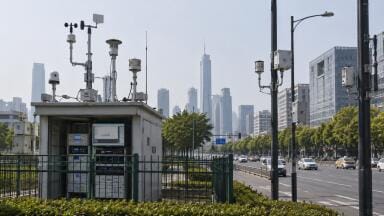
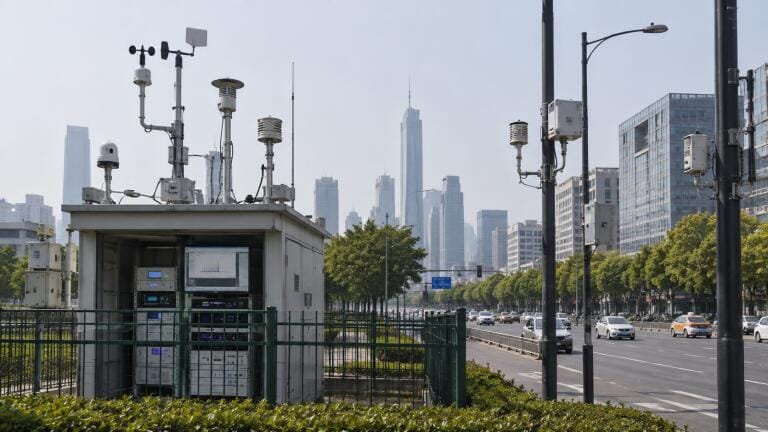
One of the most significant outcomes for monitoring professionals is the adoption of Hybrid Air Quality Monitoring Network (HAQMN) Guidelines.
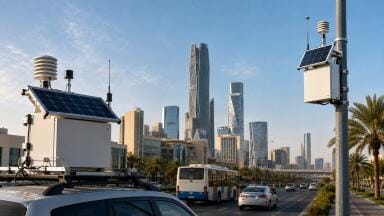
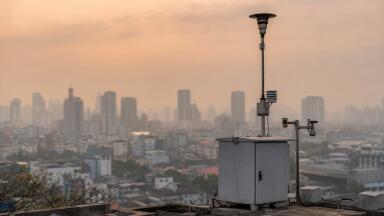
The framework is intended to help participating countries combine reference-grade monitoring stations with low-cost sensors, extending geographical coverage while maintaining data quality through appropriate validation and calibration.
The meeting also approved new projects covering PM2.5 source identification, VOC monitoring capacity building, personnel training and wider use of satellite observations alongside ground-based measurements. Japan will host the next intergovernmental meeting in 2026, marking the network's 25th anniversary.

The expanded programme reflects a wider shift in environmental monitoring across Asia.
Rather than relying solely on traditional regulatory stations, many countries are investigating hybrid monitoring networks that integrate multiple sensor types, satellite data and conventional reference instruments to improve spatial coverage without sacrificing confidence in the resulting measurements.
For suppliers of air-quality instrumentation, calibration services and environmental data systems, the new strategy signals continued investment in monitoring capability as participating countries strengthen regional cooperation on transboundary air pollution.
IET 36.5 Sept/Oct 2026



 Product directory