Water quality monitoring
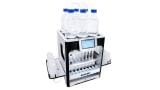
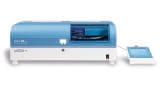
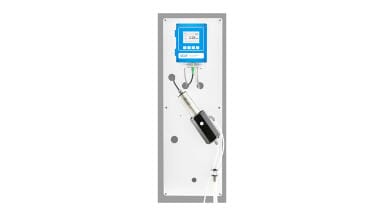
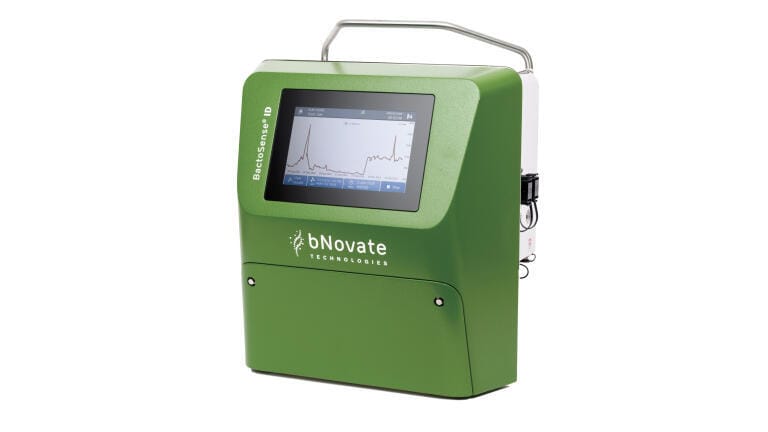
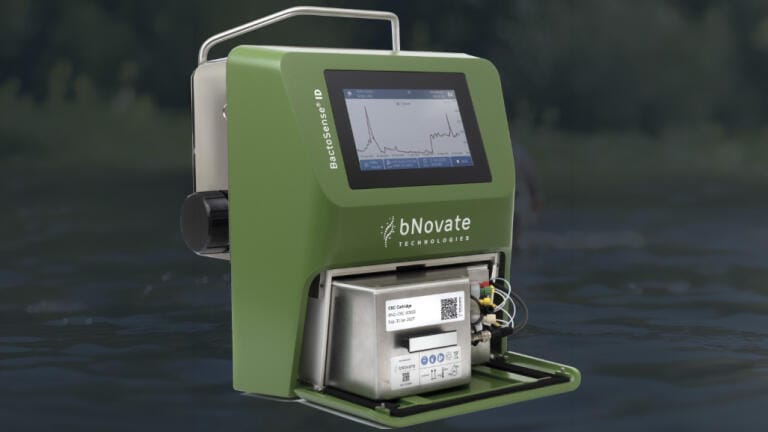
An automated flow cytometry analyser identifies and counts regulated indicator bacteria on site, giving operators and regulators a continuous signal between laboratory samples.
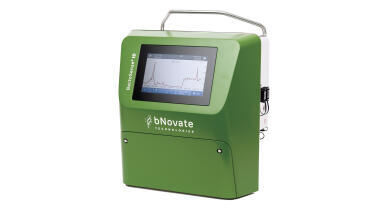
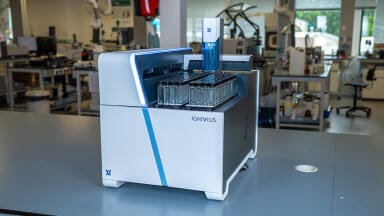
Wastewater treatment plants and bathing water sites can now track regulated bacteria continuously, rather than waiting days for laboratory results, using a new automated analyser from Swiss company bNovate Technologies.
BactoSense ID identifies and quantifies coliforms and enterococci in under 60 minutes, with E. coli detection to follow. Traditional laboratory tests take 18 to 72 hours to deliver the same information.
The instrument uses flow cytometry, a technology already established in drinking water, pharmaceutical and food and beverage monitoring. Reagents are held in cartridges that can be swapped according to the bacteria being tested, and measurements run online and automatically rather than through manual, offline sampling.
bNovate positions BactoSense ID as a complement to laboratory culture testing rather than a replacement. Its value lies in the period between scheduled samples, when bacterial loads can change sharply without anyone noticing. Testing at one of Switzerland’s largest wastewater treatment plants recorded a 20-fold increase in coliform cell counts within four hours of heavy rain – a shift a laboratory test would have taken days to report.
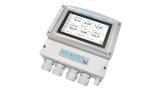
For plant operators, the analyser is designed for treatment plant conditions and links directly into existing supervisory control and data acquisition (SCADA) systems, so the data can be acted on without managing a separate system. Treatment can be adjusted to measured bacteria levels rather than a fixed schedule, reducing electricity or chemical use and lowering the risk of fines, reputational damage and downstream environmental harm. The company also sees a role in supporting larger-scale water reuse.
Paired with bNovate’s BactoSwitch multi-point sampling device, a single analyser can take automated measurements before and after a treatment step, allowing the plant to adjust disinfectant levels or redirect the effluent stream, and helping plants weigh disinfectant costs against compliance risk. Continuous testing also shows when bacteria levels have returned to acceptable limits.
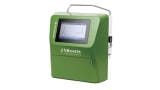
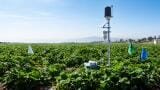
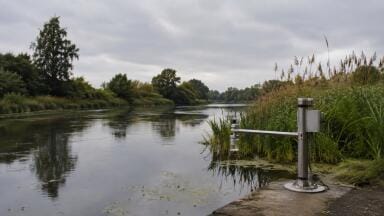
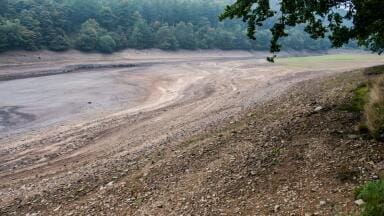
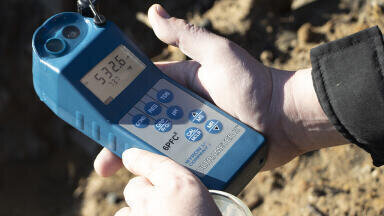
For environmental agencies, the field-deployable format is built for seasonal, outdoor bathing water monitoring. Under the EU Bathing Water Directive, official sites may be sampled as few as four times a season, with results taking two days or longer.
Integration with bNovate’s cloud platforms gives stakeholders shared, live visibility, and the data can also feed public dashboards showing water quality at recreational sites.
Serge Gander, CEO of bNovate Technologies, said: “BactoSense ID is a quantum leap for bNovate and for rapid detection, identification and quantification of bacteria. It really moves us into a new era of innovation in water quality testing.
“Our aim is not to replace lab-based cultivation tests, but to complement them using different methodologies. This was not possible before. By closing the blind spots between the compliance samples and offering a kind of process signal, we are making microbiology actionable.”
bNovate has more than 500 systems deployed worldwide.
IET 36.5 Sept/Oct 2026
 Product directory