Air monitoring
An industrial incident can begin between inspections. Kunak combines continuous air monitoring with meteorological data to help environmental teams detect abnormal concentrations, investigate affected areas and track conditions as an incident develops.
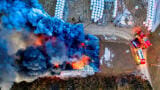
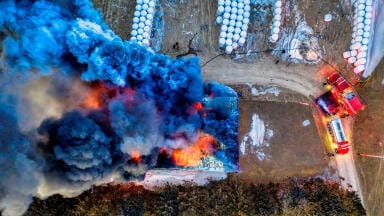
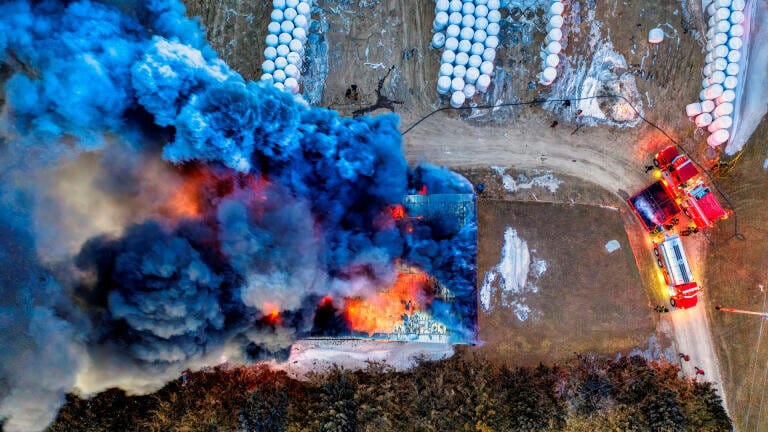
Fires, chemical releases and process failures can affect air quality beyond a facility’s boundary. Periodic sampling remains essential, but it may miss short-lived episodes or provide limited information about conditions between visits. A permanent sensor network adds continuous observations at selected locations, helping teams decide where further investigation is needed.
Preparedness starts before an incident. Recording baseline conditions helps distinguish unusual changes from normal variations associated with operations, traffic or weather. Monitoring locations and pollutants should reflect the site’s hazards, surrounding communities and prevailing winds. Alert thresholds need defined recipients, escalation procedures and actions.
During an event, readings from several stations help teams compare changes across the network. Wind speed and direction provide context for interpreting elevated concentrations and identifying potentially affected downwind areas. These observations can guide additional sampling and complement dispersion modelling, rather than being treated as a complete map of the plume.
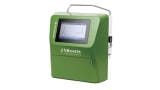
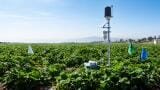
Kunak AIR Pro measures particulate matter and up to five gases simultaneously, with interchangeable smart cartridges allowing the configuration to match the application. External meteorological probes add wind measurements, while solar power options support deployment where mains electricity is unavailable. Sensor selection must account for expected concentrations, response times and potential interferences.
Through Kunak AIR Cloud, users can view measurements remotely, configure threshold alerts and compare data across monitoring points. Pollution roses and polar plots help investigate the directions associated with elevated concentrations. Reporting tools and API integration support the exchange of information with existing environmental management systems.
After the immediate response, continuous records help teams assess whether concentrations are returning towards baseline and review the timing and duration of the episode. The data also supports evaluation of corrective measures and subsequent reporting.
Data quality remains critical throughout. Calibration, maintenance, connectivity and quality assurance procedures determine whether readings are fit for their intended purpose. Ambient sensor networks complement safety-critical systems, personal gas detectors and confirmatory laboratory analysis. They do not identify every compound or independently establish that an area is safe.
For environmental managers and public authorities, the practical value is continuity: a record of conditions before the incident, observations during the response and evidence to support recovery. Kunak’s approach to environmental emergency response explains how this monitoring layer fits within a wider preparedness and response plan.
IET 36.5 Sept/Oct 2026

 Product directory