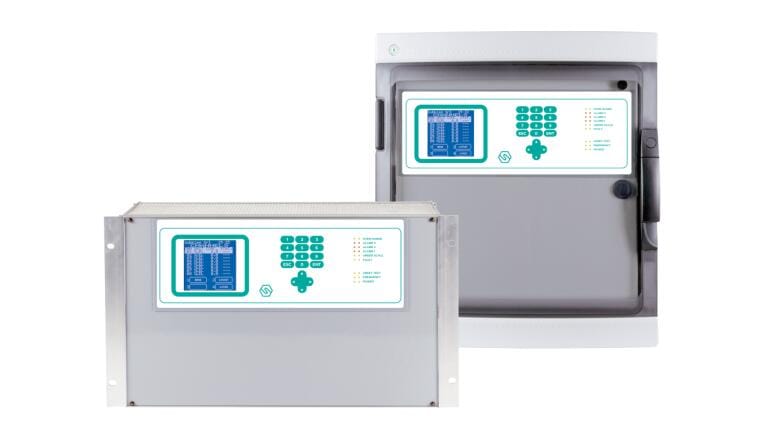
Fixed gas detector
Lithium-ion battery energy storage systems (BESS) can introduce serious gas hazards into data centres. Hydrogen may be released during battery charging, particularly when charging conditions are incorrect, while damaged or faulty cells can release a mixture of flammable and toxic gases.
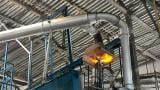
Hydrogen is colourless, odourless and highly diffusive, making leaks difficult to identify without dedicated detectors. With a flammable limit of around 4 per cent by volume in air, it can create an explosion hazard if it accumulates in an enclosed space. Because hydrogen rises quickly, detectors must be positioned with its behaviour in mind, including near ceiling level where gas may collect.
Incorrect charger float-voltage settings can lead to excessive hydrogen release. Overcharging, high ambient temperatures and physical damage can also trigger thermal runaway, causing a battery to release hazardous gases within minutes. Maintenance work deserves particular attention, as mistakes during inspection or servicing can contribute to these conditions.
Continuous hydrogen monitoring helps operators spot unusual gas levels and investigate possible battery faults before the situation worsens. Although it cannot prevent every battery failure, gas detection gives site teams more time to check equipment, assess the risk and follow established safety procedures.
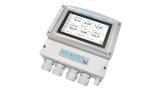
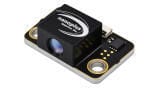
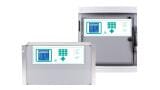
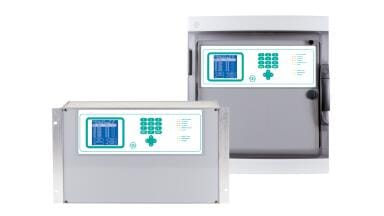
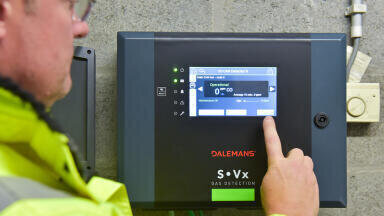
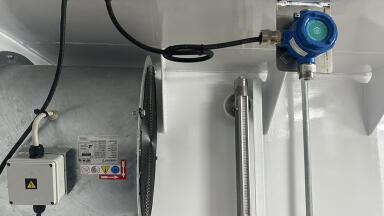
Sensitron’s SMART 3G C2 detector and MULTISCAN++S1 control panel provide a solution for monitoring flammable gases in battery installations. The SMART 3G C2 uses catalytic sensor technology to measure flammable gas concentrations, including hydrogen. It transmits readings to the control panel through a 4–20 mA output or optional RS485 communication and is designed for ATEX Zone 1 hazardous areas.
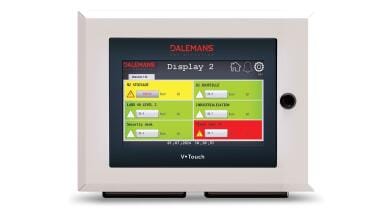
The MULTISCAN++S1 processes signals from connected detectors and activates alarms when configured thresholds are reached. Depending on the system setup, it can also trigger predefined responses, such as alerting staff or activating connected safety equipment.
For data centre operators, effective protection starts with a site-specific risk assessment, correctly positioned detectors, suitable alarm thresholds and regular testing and maintenance. These measures help identify gas hazards early and reduce the risk of a battery fault leading to fire or explosion.
IET 36.5 Sept/Oct 2026

 Product directory