Water quality monitoring
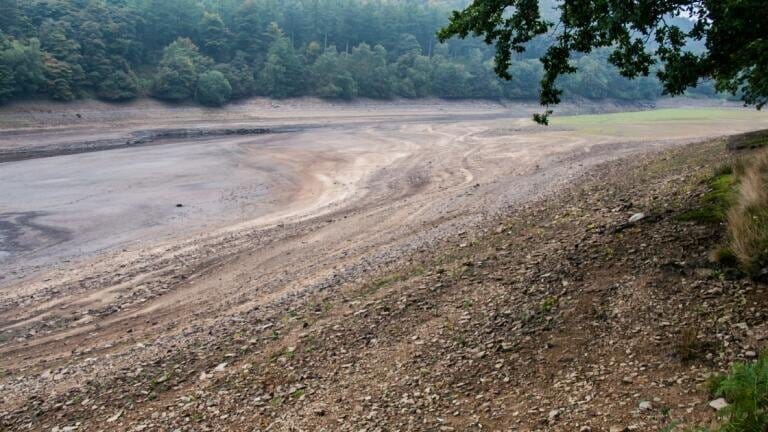
Amid an ongoing UK drought and heatwave, with the Drinking Water Inspectorate (DWI) calling for a more proactive approach to drinking water risk, water intelligence company Kohtari has argued that resilience depends on combining predictive data with operational experience, transparent governance and human judgement.
The call comes as Ofwat publishes its AI adoption plan, with almost 40 per cent of the UK currently facing water-use restrictions. Kohtari maintains that decisions should not be handed to an algorithm alone.
James Sumsion, CEO at Kohtari, said: “The real value is in analysing multiple sources together, from historic water quality data, to weather, satellite and catchment data. Predictive models can identify changing conditions and relationships that would go undetected manually. Instead of simply recording what has happened, AI and machine learning can crucially help teams understand what is likely to happen next.”
He added: “The divide will not be between water companies that use AI and those that do not. It will be between those that can turn data into earlier action and those still forced to respond after risk has escalated. A forecast only creates value when it gives someone enough time and confidence to make a better decision.”
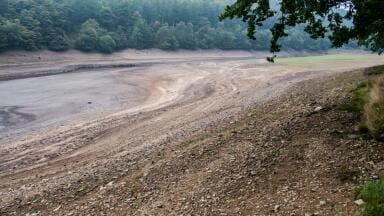
According to the Environment Agency, 71 per cent of England is currently in drought, with more than 27 million people under water-use restrictions — sharpening the case for a proactive approach to protecting supply.
The DWI and Ofwat have pointed in the same direction: a more proactive, future-ready water sector. The DWI’s Chief Inspector’s Report calls for earlier identification and management of risk rather than waiting for water quality or supply issues to emerge, while Ofwat’s AI adoption plan sets out how responsible AI could be adopted at scale across the regulatory system.
Sumsion said: “One focuses on risk. The other on technology. Together, they raise a bigger question: are water companies building the strategies, data foundations and practical solutions needed for tomorrow’s risks, or still relying on traditional tools and reactive approaches?
“The data needed to predict water risks already exists. The problem is that this information often sits across separate systems, teams and formats. This means that important patterns remain hidden, while operational decisions continue to depend on snapshots of current conditions or retrospective reports.”
He continued: “AI and machine learning change how that data is used. That shift becomes most valuable when applied to complex, fast-changing risks.
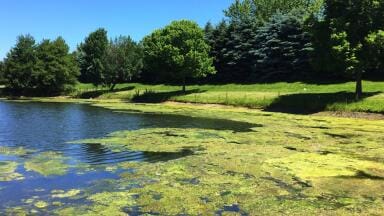
“Algal blooms are a clear example. They are influenced by a combination of weather, water quality, catchment conditions and reservoir behaviour. Looking at any one of these factors in isolation provides only part of the picture. Our algal bloom prediction solution, BloomIQ, connects environmental, weather, satellite, historical and operational data to forecast risk. Embedded into existing workflows, it gives teams the evidence they need to make earlier, data-led decisions that protect water quality and strengthen resilience.
“Water companies may be making major capital decisions without a complete understanding of what is driving the problem or which intervention will have the greatest impact. Earlier visibility changes the decision-making window, so the next step is to truly work together and put practical solutions in place. We are ready to help enable water companies to make that shift, so that we can better protect our waters.”
IET 36.5 Sept/Oct 2026


 Product directory