Environmental laboratory
Mercury monitoring has become an increasingly critical aspect of cement production, driven by stricter environmental regulations and growing sustainability commitments across the industry. Under frameworks such as the European Industrial Emissions Directive (IED), cement manufacturers must comply with tight mercury emission limits while maintaining consistent production quality and operational efficiency.
In modern cement plants, mercury can enter the process through a variety of inputs, including raw materials and alternative fuels. Because concentrations may vary significantly depending on source and composition, routine monitoring is essential not only for regulatory compliance but also for proactive process control. Traditional approaches based on external laboratory testing or labour-intensive wet-chemistry methods often present limitations in terms of turnaround time, operational costs, and laboratory safety.
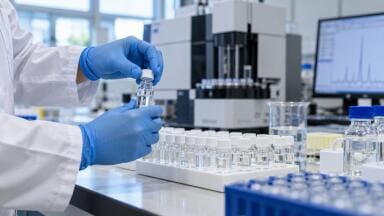
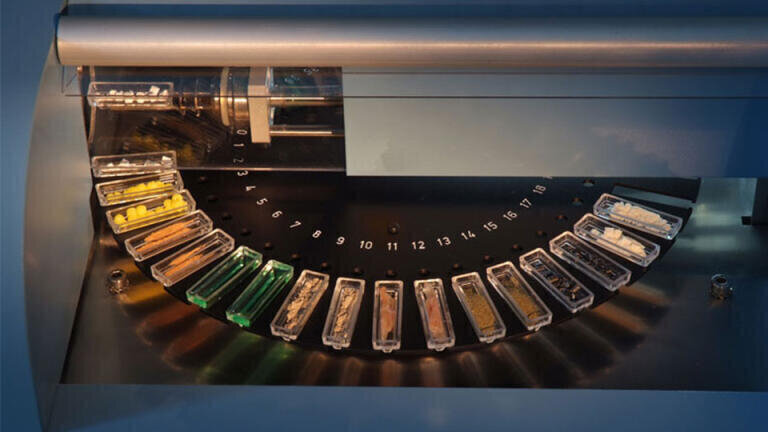
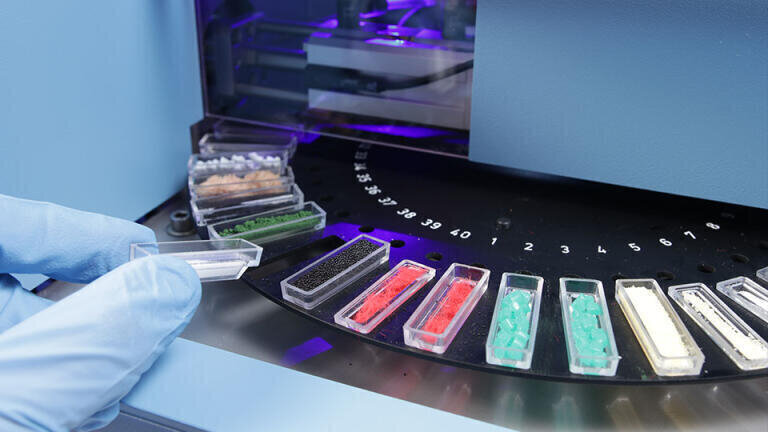
Direct mercury analysis (DMA) offers a streamlined alternative. Based on thermal decomposition, amalgamation, and atomic absorption spectrometry, this technique enables the direct analysis of solid and liquid samples without the need for acid digestion or chemical pretreatment. By eliminating lengthy sample preparation steps, laboratories can significantly reduce analysis time and simplify daily workflows.
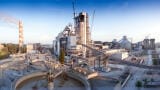
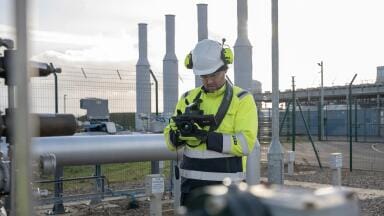
For large cement producers such as Heidelberg Materials Romania, which operates a major facility in Fieni, environmental compliance and quality assurance are central priorities. Their laboratory is responsible for monitoring mercury concentrations in incoming materials and conducting routine in-process checks to support emissions control. Mercury emissions are subject to strict limits, and verification through third-party testing remains mandatory.
By implementing direct mercury analysis technology, cement producers can move from a reactive to a preventive approach. In-house testing enables faster decision-making when mercury levels fluctuate in fuels or raw materials. Instead of waiting for external lab results, plant laboratories can screen inputs in real time, allowing production teams to adjust feedstock selection or process parameters before emissions are impacted.
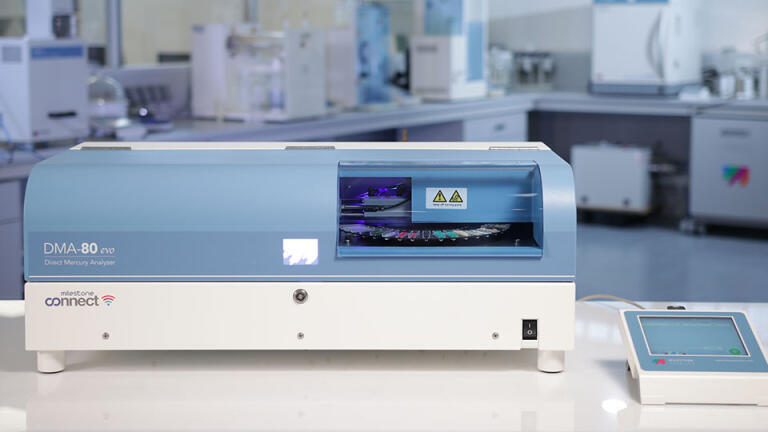
Beyond speed, DMA-80 system provides high precision and repeatability at trace-level concentrations, supporting both internal quality control and regulatory reporting. The absence of chemical reagents improves laboratory safety and reduces operational costs, while automated workflows minimise hazardous waste generation. Importantly, direct mercury analysis does not replace continuous emissions monitoring systems (EMS); rather, it complements them. While stack emissions are continuously measured and periodically verified by accredited laboratories, in-house material-based mercury testing enables companies to identify potential issues upstream before they translate into elevated emissions.
As sustainability expectations continue to rise, cement producers must integrate analytical technologies that support compliance, transparency, and operational excellence. Direct mercury analysis represents a practical and reliable solution, empowering cement companies like Heidelberg to strengthen environmental performance while maintaining productivity and cost control.
IET Guide 2026

 Product directory