Microplastics analysis
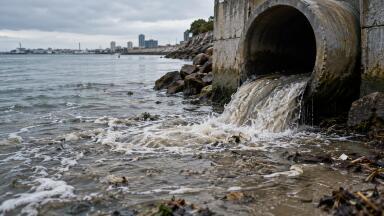
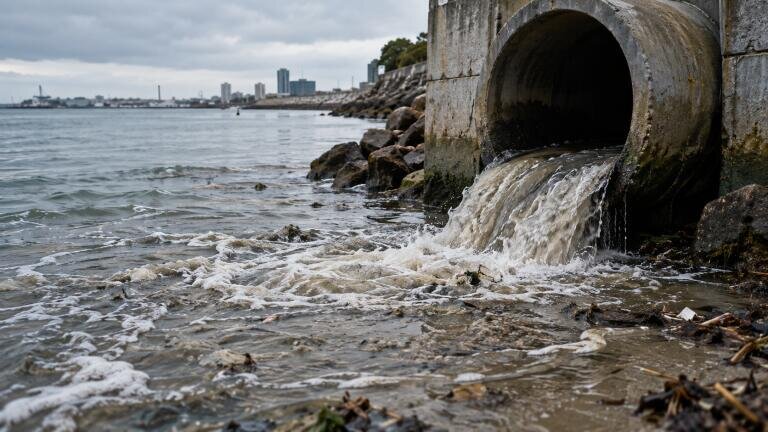
Researchers from the Macau University of Science and Technology, working with collaborators, sampled six stormwater drains across industrial, residential and ecological areas of the city over two seasons.
They analysed microplastic abundance, polymer type, mass load and ecological risk at each site.

Microplastics were found in every sample, with concentrations ranging from 0.86 to 53.03 particles per litre.
Irregular fragments accounted for nearly 57 per cent of particles found, and black-coloured particles for 38 per cent. The most common polymers identified were polyethylene terephthalate (PET), polypropylene (PP) and polyethylene (PE).
Land use had a marked effect on both the abundance and the composition of microplastics recovered.
Industrial areas showed concentrations more than twelve times higher than ecological areas, which the researchers attribute to manufacturing activity, vehicle traffic and wastewater discharge.
The study also produced what its authors describe as the first estimate of the mass of microplastics discharged from Macao's stormwater system.
This ranged from a few grams to more than ten kilograms a day, depending on site and season. Wet-season concentrations were generally higher than dry-season concentrations, though the difference was not statistically significant.
This suggests that individual rainfall events, rather than broad seasonal patterns, may be the stronger driver of pollution levels.
Risk indices point to a more serious hazard picture than raw pollution figures suggest.
While the Pollution Load Index indicated only minor contamination overall, the Polymer Hazard Index and Potential Ecological Risk Index both classified the pollution as high to extremely hazardous.
The researchers attribute this largely to polyvinyl chloride (PVC), a polymer with a high hazard score, detected at a stormwater pumping station and likely originating from ageing pipes and infrastructure.
The team also found that microplastic abundance correlated negatively with dissolved oxygen levels and positively with rainfall in the preceding three days, pointing to the dynamic, event-driven nature of stormwater pollution.
Dr Kai Zhang, corresponding author of the study, said the findings identify stormwater drains as a key microplastic conduit that has been largely underregulated.
He said management strategies need to consider land-use planning, real-time rainfall monitoring and, critically, the material composition of drainage infrastructure itself, in order to reduce the risks microplastics pose in urban coastal environments.

For monitoring networks and laboratories serving coastal cities, the findings point to two practical implications.
First, that stormwater sampling programmes designed around seasonal variation alone may miss the rainfall-driven pulses that appear to matter more.
Second, that ageing drainage infrastructure itself deserves scrutiny as a source of hazardous polymers, not only as a transport pathway for contamination generated elsewhere.
IET 36.5 Sept/Oct 2026


 Product directory