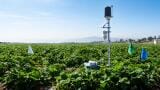
River water monitoring
The research, led by corresponding author Huijun Ding of Nanchang University, examined 13 representative drinking water sources across the Poyang Lake basin – eight river‑type and five reservoir‑type – which together supply drinking water to approximately 45 million people.
Samples were collected in winter and summer across the five major rivers feeding the lake and the lake itself.
"Our results show that the type of water source is not simply a geographic label," Ding said.
"It can influence how antibiotics and resistance genes enter, persist, and spread through aquatic environments. Identifying these differences can help water managers focus monitoring and prevention efforts on sources facing the greatest pressure."

Of 46 antibiotics screened, 13 were detected.
Florfenicol was found most frequently, reaching concentrations of up to 72.85 nanograms per litre, while sulfamethoxazole reached up to 30.51 nanograms per litre; contamination was linked mainly to livestock farming, domestic sewage and aquaculture.
Ecological risk assessment found ciprofloxacin, norfloxacin and erythromycin reached moderate to high risk levels at some sites in the Gan River sub‑basin, with risk quotients of up to 1.79 for ciprofloxacin.
All targeted antibiotic resistance genes were detected at every site during summer, with sulfonamide resistance genes dominant; abundance was strongly associated with mobile genetic elements and water source type.
Among 178 bacterial strains isolated from the samples, the highest resistance rates were observed for lincomycin, at 75.84 per cent, and penicillin, at 53.95 per cent, with river‑derived isolates showing significantly greater resistance than reservoir‑derived isolates.
Poyang Lake itself, though classified as a reservoir‑type source, showed resistance risks comparable to river sources, which the researchers attribute to its rapid water exchange and exposure to multiple pollution inputs.
The authors say river‑type sources and Poyang Lake should receive priority attention in basin‑scale antimicrobial resistance surveillance, and that monitoring programmes should assess antibiotic residues, resistance genes and resistant bacteria together rather than separately.
The study is published in Biocontaminant.
IET 36.5 Sept/Oct 2026



 Product directory



















.jpg)


.jpg)