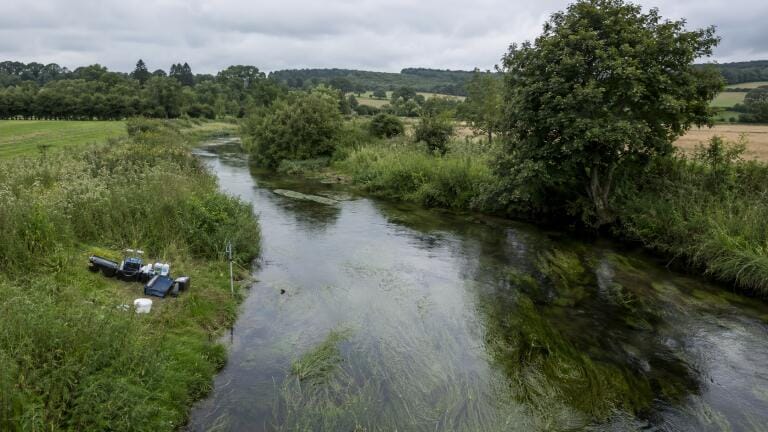
River water monitoring
A further 65.4 per cent were rated moderate, 17 per cent poor and 3.1 per cent bad, with 0.1 per cent at high status.
The figures mark a fall from the 16.3 per cent recorded in 2019, though the Environment Agency has stressed that the two datasets are not directly comparable.
The 2025 assessment draws on a wider pool of monitoring data, automated classification of heavily modified water bodies.
The removal of unverifiable historic "expert judgement" classifications used in earlier cycles.
Some of the apparent decline reflects better evidence rather than genuine deterioration – a distinction regulators and monitoring providers will need to keep making as the dataset comes under scrutiny.
The headline ecological figure is only part of the picture.
Every one of England's surface water bodies still fails the separate chemical status test, driven by persistent legacy substances – PFOS, mercury and brominated flame retardants (PBDE) – that the Environment Agency expects will take until 2063 to deplete to safe levels.
More than 90 per cent of water bodies would otherwise meet good chemical status were it not for this small group of ubiquitous, persistent, bioaccumulative and toxic compounds.
Ecological status is a different test, and the data overturns some received wisdom about what is driving poor scores.
Phosphate, not pesticides or ammonia, is the dominant pressure on rivers.
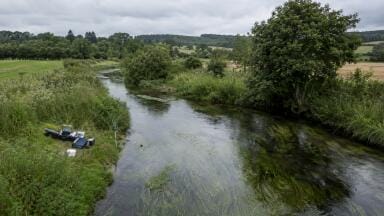
The Environment Agency's own illustrative case, the River Foss, scores good on every ecological indicator except phosphate, which alone drags the whole water body down to moderate.
Analysis of the release found phosphate failures in more than half of assessed rivers.
Ammonia, by contrast, is a rare success story, now at good or better status in 92.9 per cent of cases, reflecting sustained improvement in a pollutant that was once one of the most significant pressures on freshwater life.
The pattern matters for how monitoring is targeted.
Some 82 per cent of individual ecological indicators are now rated good or high, and around a third of water bodies missing overall good status do so because of a single failing element under the "one-out, all-out" classification rule.
That points to a monitoring and evidence gap rather than a story of comprehensive ecological collapse.
A water body can be healthy across nearly every measure and still be marked down because of one persistent parameter – commonly phosphate.
For environmental managers and water companies, this argues for monitoring regimes sensitive enough to catch single-parameter failures early, rather than only broad-brush assessment.
The government's target is for 77 per cent of waters to reach good status by 2027.
The Office for Environmental Protection has said the current data shows that target will be missed "by a considerable margin" and has opened an investigation into Environment Agency and Defra compliance, describing the findings as "very worrying."
Water company investment programmes – a ten-year, £30 billion effort to clean up England's waterways by 2030 – have so far not shifted the phosphate exceedance rate, which stood at around 50 per cent of rivers in this assessment.
Lakes performed markedly worse than rivers in this cycle: 7 per cent rated good against 15 per cent for rivers.
The Environment Agency cautions, however, that the removal of historic expert-judgement classifications affects the lake figures more heavily, so some of that gap may again be a methodology effect rather than a real divergence in water body health.
IET 36.5 Sept/Oct 2026



 Product directory























.jpg)



.jpg)