Environmental laboratory
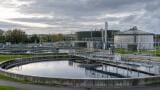
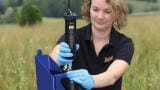
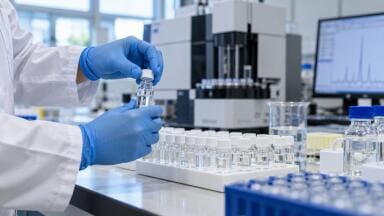
As increasing emphasis is being placed on the monitoring of mercury emissions, both private and public institutions are looking at characterising soil, sediments and wastewater samples. Contaminated soil must be excavated and remediated or, depending on the level of contamination, disposed of as hazardous waste.
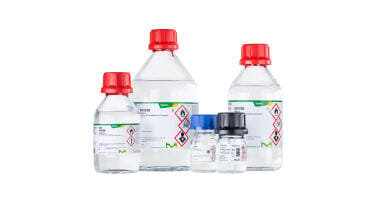
Several methods are available for mercury analysis in environmental samples like wastewater and soil and traditional analytical processes such as Cold Vapor Atomic Absorption (CVAA) and ICP-MS both require sample preparation prior to analysis. This results in both techniques being costly, labour intensive and subsequently expensive coupled with a long turnaround time. The result is a cumbersome process with multiple sample preparation steps required. Furthermore, instrumentation can require extensive and frequent calibration (as often as twice a day). Direct mercury analysis, as described in EPA Method 7473, is an alternative to these methods and is being used successfully to determine total mercury in environmental samples.
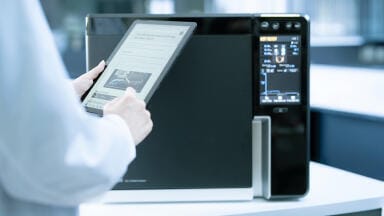
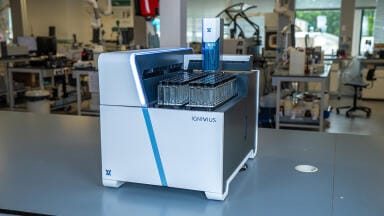
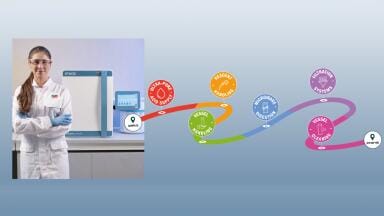
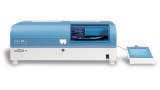
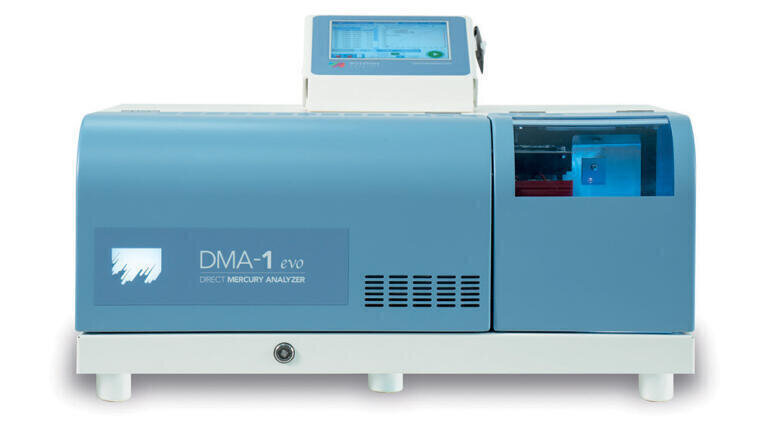
The Milestone DMA-80evo and the DMA-1evo Direct Mercury Analysers from Analytix reduce time spent on the calibration routine as it can last up to six months and is matrix independent. Samples require no sample preparation and are simply weighed into sample boats and loaded into the instrument. Measurements take as little as six minutes, and total mercury results are generated at the end of analysis.
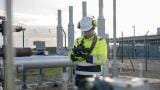
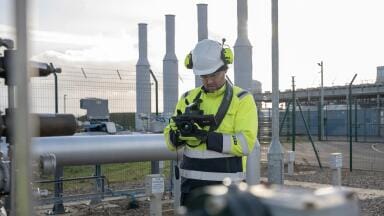
Given the ease of use and cost effectiveness, the DMA-1 is also ideal for use out in the field or offshore on oil platforms. Systems can be calibrated in the laboratory prior to use meaning hazardous mercury does not need to be shipped with the system. Maintenance is simple, with support often performed remotely, ideal when up-time is crucial.
IET Guide 2026

 Product directory