Industrial emissions
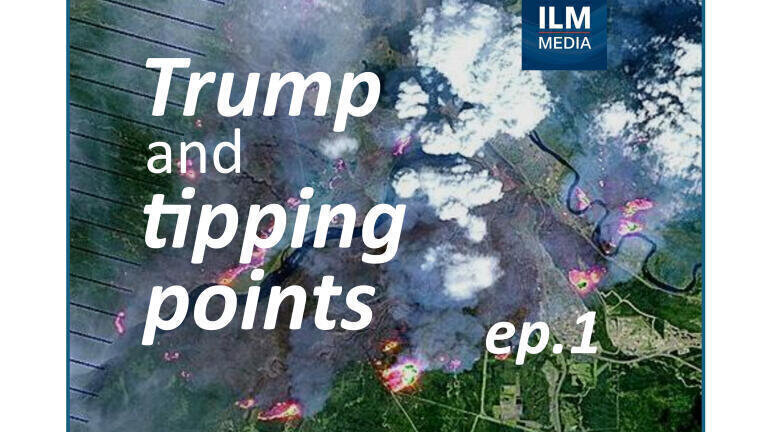
Welcome to the first episode of the Envirotech Online Podcast, where we dive into the latest developments in environmental technology, policy, and industry trends.
In this episode, we explore the two major forces shaping the sector at the start of 2025—one pushing for stricter environmental monitoring and regulation, the other advocating for reduced oversight and deregulation.
These competing priorities are influencing everything from industrial compliance to climate risk management, and we unpack what this means for businesses, policymakers, and environmental professionals.
A key focus of our discussion is the growing body of scientific research that is challenging regulatory decisions. We examine the latest findings from Professor James Hansen, who brought the theory of climate change to public awareness in 1988, which raise urgent concerns about the pace of climate change and the need for immediate action.
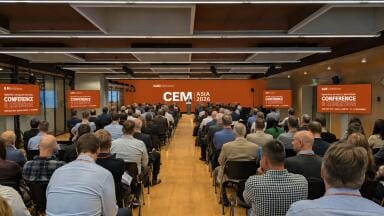
To register for our continuous emissions monitoring (CEM) event in the Middle East, click here.
We also discuss new insights from the Institute and Faculty of Actuaries, which highlight the increasing role of financial institutions in assessing climate-related risks.
With insurers, pension funds, and investors factoring climate uncertainty into long-term decision-making, the pressure for more precise environmental monitoring has never been greater.
At the same time, there’s a countertrend gaining traction—one that calls for scaling back regulations in the name of reducing costs and boosting economic growth.
We analyze how this shift is affecting industries that rely on environmental monitoring, from energy and manufacturing to water and air quality management. What happens when the drive for efficiency clashes with scientific recommendations for stricter oversight?
Beyond policy, we explore the practical implications of these debates.
We tackle these questions and more in this deep dive into the forces shaping the future of environmental responsibility.
Join us as we break down the latest developments, explore their real-world implications, and discuss what they mean for professionals and businesses navigating the rapidly evolving environmental landscape.
Further reading:
IET 36.5 Sept/Oct 2026

 Product directory



















.jpg)