Soil testing
Published over 16 years ago. See the latest and most current information on Soil testing.
If you are involved in sampling for volatile compounds in soils you need to know about some new developments. Van Walt Ltd, the specialist supplier of environmental monitoring equipment, has put together information detailing changes that are scheduled to come into force which will affect how you take contaminated soil samples and the equipment you will need to use, to comply with the new standards.
Until now samples of soils for the analysis of very volatile components such as benzene, toluene and chlorinated hydrocarbons were normally obtained directly from the borehole. The stainless steel sample tubes containing the soil were closed completely and cooled for further transport to the laboratory for analysis.
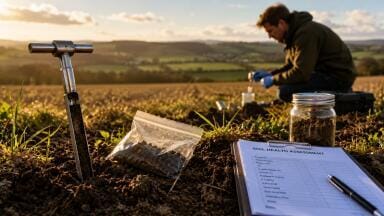
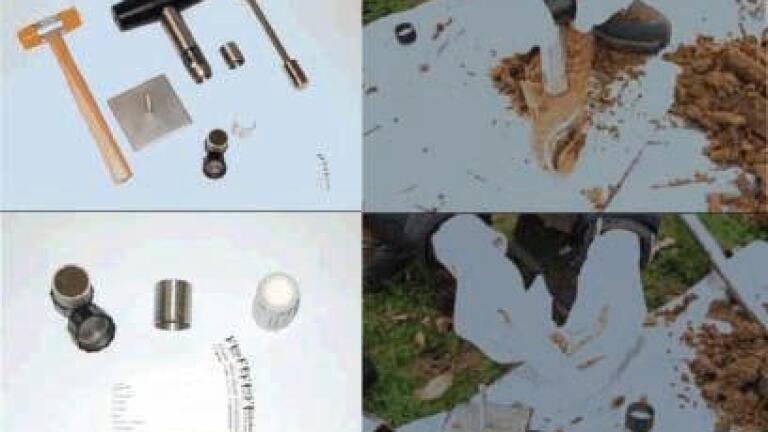
However, new regulations and standards have come into force in the USA and are in preparation in the UK which will demand that a small, accurately measured sub-sample be taken above ground from larger samplers or augers. Based on these new views Van Walt has introduced a new no-loss, on-site, soil corer developed specifically to comply with the changes whether sampling using the field conservation with methanol method or the direct cooling (or even freezing) technique.
“Our new no-loss, on-site, soil corer is made from high grade stainless steel so it can be easily decontaminated and its aluminium lined seals prevent sorption and diffusion,” explains Vincent, director, Van Walt Ltd. “Although we have this new equipment that complies with the changes, what’s interesting about these new guidelines is that they seem to be concerned just with the volatiles recovery rate and appear to take little account of the sampling techniques employed.”
Therefore some elements of the sampling process, like the type of the soil sampler used, the time of exposure prior to sub-sampling, wind conditions, temperature and the type of volatile being tested for, do not appear to have been considered even if, once the sample has been taken with the new technique, preservation of the volatiles is optimised.
Vincent concludes: “It remains a doubt for me whether the total amount of volatiles; from the moment of sampling to the arrival in the lab is indeed best dealt with under the new guidelines - but who am I to argue with the esteemed authors of guidelines or standards?”
IET 36.5 Sept/Oct 2026




 Product directory