Soil testing
Published over 17 years ago. See the latest and most current information on Soil testing.
Dr. Shin Takahashi, Associate Professor of Environmental Chemistry at CMES says: “The tropical Asian region
plays a prominent role in supplying volatile pollutants on a global scale. It acts as an evaporating pan
because of the hot climatic conditions.” Toxic elements are categorized by their physical characteristics;
some types are deposited in soils and spread gradually, others get easily volatilized and spread fast
through water and air. The rapid economic growth of some Asian countries has lead to increasing
chemical pollution and improper waste disposal, which could become the source of a global
environmental problem. In some under-developed Asian countries precious metals are recovered by
burning or boiling wasted electronic devices and appliances in nitric acid. These methods lead to a
release of various hazardous chemicals including heavy metals, dioxins and other potential POPs like
polybrominated diphenylethers into the environment. Dr. Shin Takahashi recently reported that people
living in areas of open waste dumping and e-waste recycling may face severe health risks because of the
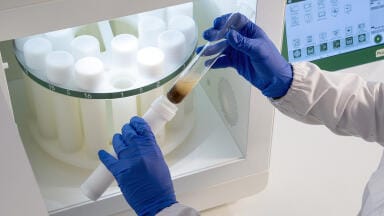
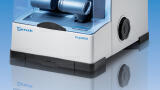
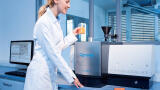
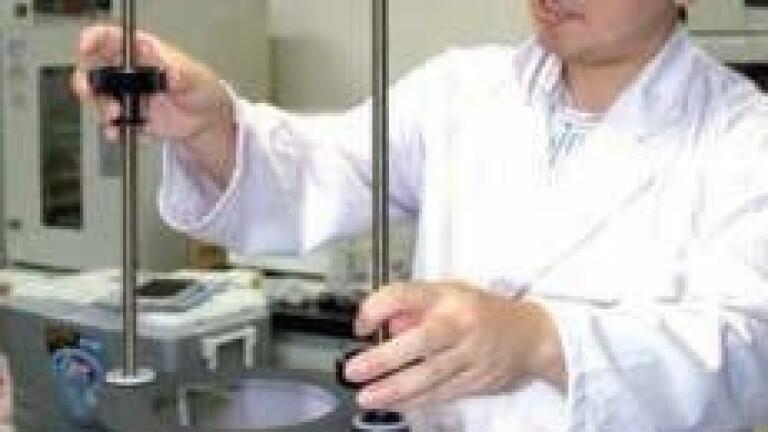
release of pollutants. He uses the RETSCH Analytical Sieve Shaker AS 200 for sieving soil samples from such
areas. “Compared to manual sieving, using the AS 200 greatly improves our efficiency”, he comments.
IET 36.5 Sept/Oct 2026



 Product directory