River water monitoring
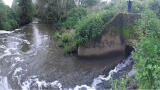
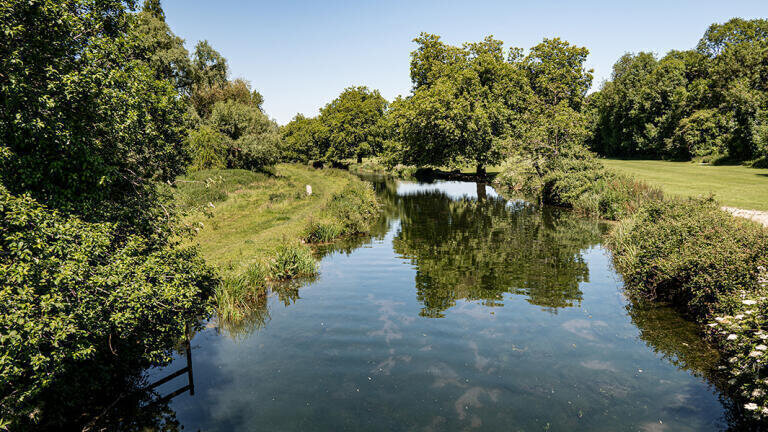
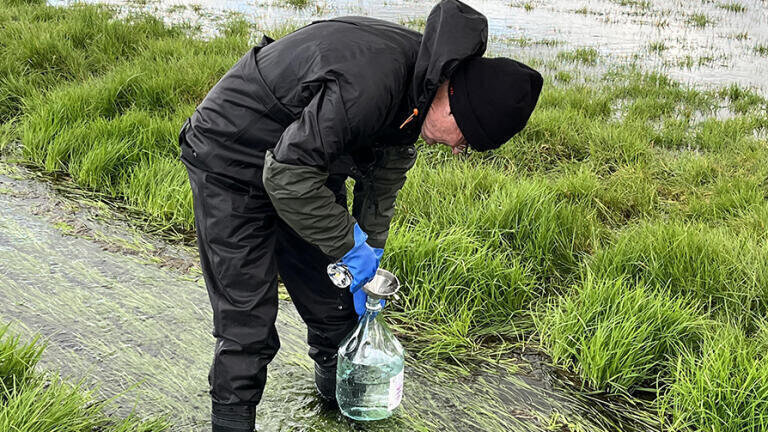
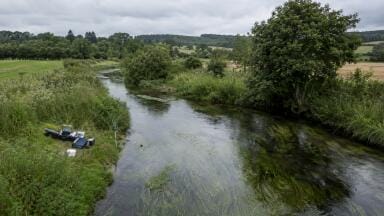
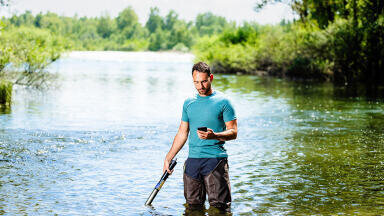
Chalk streams—globally rare and long celebrated for their crystal-clear waters—are facing a new and urgent threat: microplastic pollution. A pioneering study by the University of Brighton and local citizen scientists from the Upper Itchen Restoration Community Interest Company (UIR CIC) has uncovered widespread contamination in one of England’s most iconic rivers, the River Itchen.
Home to the majority of the world’s fewer than 300 chalk streams, England’s responsibility to protect these unique ecosystems is under growing pressure. The River Itchen, famed for its ecological richness, is now showing signs of microparticle pollution even in its pristine headwaters—raising serious concerns about the health of this irreplaceable freshwater habitat.
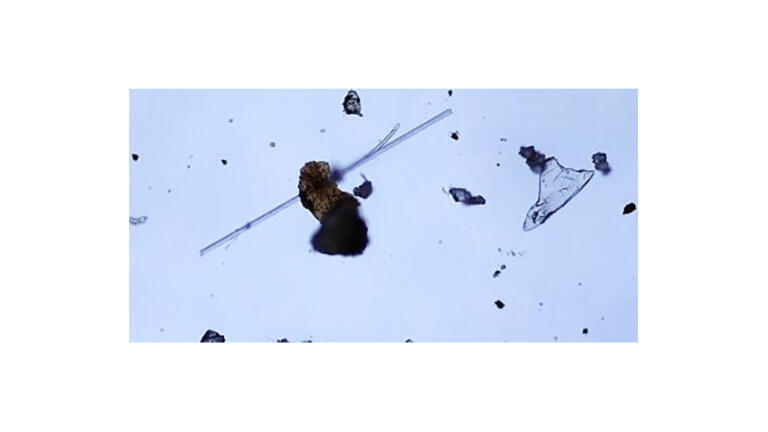
Sampling carried out in spring 2025 revealed microfibres, fibreglass fragments, and tyre particles at every test site. Microfibres, often released during clothes washing, were the most prevalent. Even more concerning was the discovery of fibreglass—a material rarely reported in river environments—along with micro-rubber from road runoff. These pollutants can disrupt delicate ecosystems, threatening aquatic insects, fish like brown trout, and mammals such as otters.
Preliminary analysis suggests the problem is widespread across the Upper Itchen catchment. While the size and appearance of particles varied, the results point to persistent contamination across the river system. This discovery adds another layer of pressure to chalk streams already grappling with habitat loss, agricultural runoff, water abstraction, and climate-induced drought.
The research, which aims to map the extent and sources of particle pollution, is ongoing. Additional samples will be collected throughout 2025. Findings will help identify pollution pathways, assess ecological risks, and inform practical strategies to reduce harm.
A full report, expected later this year, will be the first comprehensive assessment of particle pollution in a UK chalk stream. The results will be shared widely with landowners, local authorities, conservation groups, and regulatory agencies—offering insights that go far beyond the Itchen.
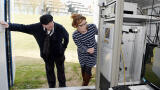
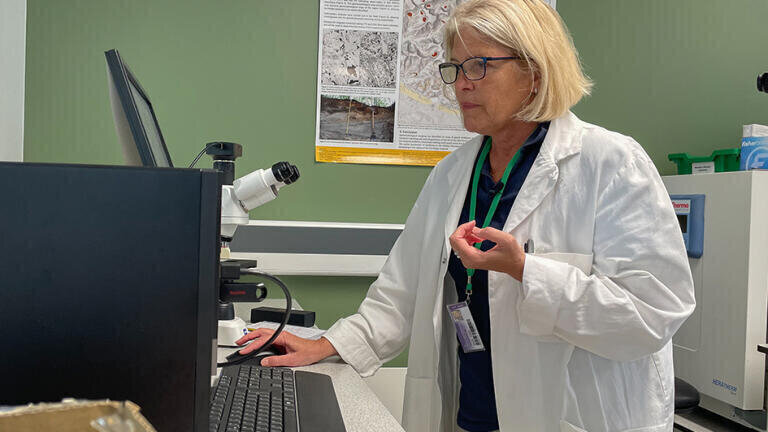
The study is led by Dr. Corina Ciocan, Principal Lecturer at the University of Brighton’s School of Applied Sciences and Co-Director of the Centre for Environment and Society, alongside Ian Diver, Director of UIR CIC. It builds on earlier research in 2024 that found similar pollutants in nearby tributaries, the Candover Brook and River Alre.
“Chalk streams like the Itchen are often likened to rainforests for their biodiversity,” said Dr. Ciocan. “The fact that we found microfibres and fibreglass at every location we sampled is deeply troubling. But it also gives us the data we need to take action. The next step is to trace the sources and work with local communities to mitigate the damage.”
Ian Diver added, “The Itchen supports a unique community of plants and animals, but its ecosystem is under threat. Until now, there was no data on particle pollution here. This project changes that. By combining citizen science with scientific rigour, we’re filling a critical knowledge gap—and helping empower people to protect the river.”
The researchers hope this collaborative model can be adapted for use in other freshwater systems around the world, as microplastic pollution becomes a growing global concern. Rivers play a central role in transporting plastic waste from land to sea—around 80% of marine plastic originates on land, and plastic production has exploded from 2 million tonnes in 1950 to an estimated 33 billion tonnes projected by 2050.
The discovery of fibreglass particles in the Itchen raises new questions, as these materials may originate from aging infrastructure, septic tanks, or pipework. The University of Brighton is now leading efforts to understand their ecological impact.
Yet, despite the challenges, there is hope. “Small changes in our daily lives—like reducing fast fashion, washing clothes less often, and choosing products with less plastic—can add up to a big impact,” said Diver. “If everyone does a little, together we can make a real difference.”
As the study progresses, the team will continue working with farmers, residents, conservationists, and regulators to identify pollution sources and develop evidence-based solutions. Their goal: to not only restore the Itchen but to build a replicable model of community-driven environmental action.
Supported by Southern Water and the National Lottery Heritage Fund via the Hampshire & Isle of Wight Wildlife Trust and Wessex Rivers Trust, the project showcases how local knowledge and scientific research can come together to protect one of the UK’s most treasured ecosystems.
IET 36.5 Sept/Oct 2026



 Product directory



.jpg)













.jpg)