Water monitoring
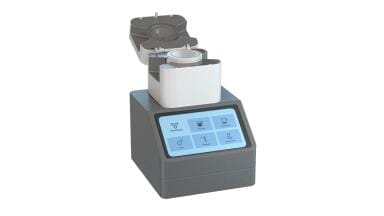
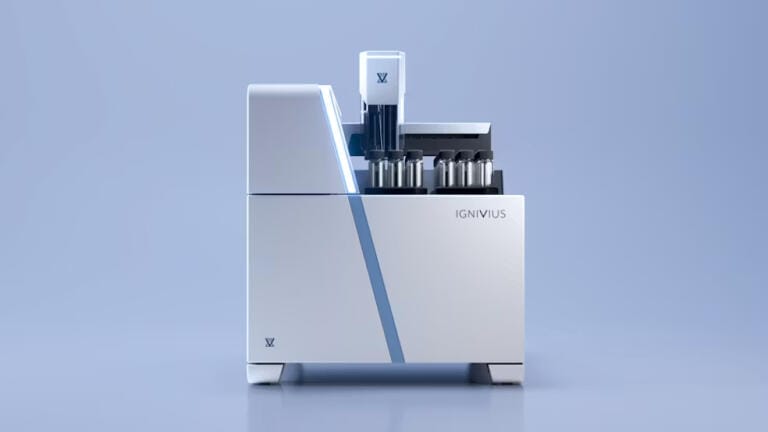
A newly launched combustion-based analyser aims to speed up total organic carbon and total nitrogen testing for environmental and water laboratories handling high sample volumes.
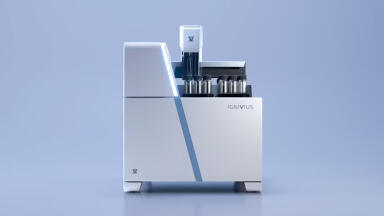
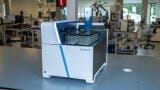
Total Organic Carbon (TOC) and Total Bound Nitrogen (TNb) are among the most widely used indicators of organic pollution and nutrient loading in water samples, feeding into compliance monitoring under frameworks such as the Water Framework Directive and the Urban Wastewater Treatment Directive. Skalar and TRACE, both part of laboratory group Velaris, have launched IGNIVIUS, a combustion-based liquid analyser built for environmental and water laboratories facing growing sample volumes.
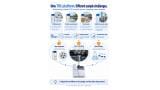
The system covers a wide spread of the carbon fractions used in water testing: Total Carbon (TC), Total Inorganic Carbon (TIC), Total Organic Carbon (TOC), Non-Purgeable Organic Carbon (NPOC), Purgeable Organic Carbon (POC) and Dissolved Organic Carbon (DOC), with Total Nitrogen (TNb) available as an option. That breadth means one instrument can often cover most of what a drinking water, wastewater or groundwater monitoring programme needs, rather than juggling separate methods for each fraction.
Sample matrix is where a lot of environmental laboratories run into trouble, and IGNIVIUS is built with this in mind. A direct injection sample system handles samples containing particles or very small volumes, cutting down maintenance and carryover, which should suit laboratories working with wastewater, sludge liquors or turbid surface water. Parallel NPOC pretreatment is there to lift throughput, and a "smart sparging" function handles the removal of inorganic carbon before organic carbon is measured, a step that has traditionally needed close method control to get right. Inline dilution and high-capacity sample racks, holding up to 170 vials of 8ml each, take a good chunk of manual prep work, labour and reagent use out of the process.
Fewer manual steps generally mean fewer transcription and dilution errors, and a shorter path from sample to result, though how much any given laboratory gains will come down to its own workflows and sample types. With monitoring obligations under water and wastewater legislation showing little sign of easing, instruments that bring several carbon fractions together with automated sample handling could help laboratories absorb more volume without adding staff. “The unique combination of features in the IGNIVIUS makes it truly a TOC/TNb analyser without any compromise,” commented Frank de Kok, Velaris’ product manager.
IET 36.5 Sept/Oct 2026

 Product directory


.jpg)