Water pollution monitoring
University of Brighton researchers are spearheading a national effort to create a pioneering diagnostic tool that can pinpoint human sources of pollution in UK rivers—helping deliver cleaner, safer water for drinking and recreation.
Funded by the Natural Environment Research Council (NERC), the three-year project unites an interdisciplinary team to design and trial the first technology capable of accurately tracing pollution across UK rivers, lakes, and streams, including those supplying drinking water or used for swimming.
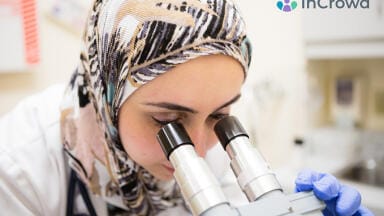
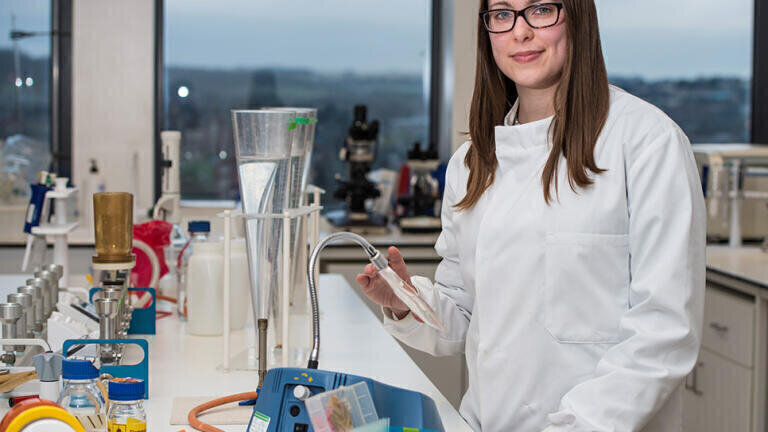
Using advanced DNA sequencing, scientists will search water samples for bacteriophages—viruses that infect bacteria and naturally thrive in the human gut, where they are shed in faeces. Detecting these viruses will allow researchers to determine whether contamination originates from human sewage.
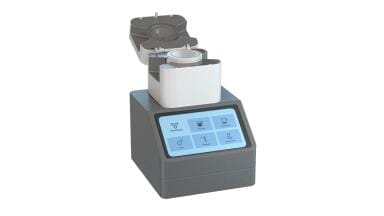
The new portable diagnostic platform will allow sampling and analysis both on-site and in the laboratory, offering a major improvement over traditional water testing methods that rely on slow bacterial cultures and cannot distinguish human-derived pollution.
The need for innovation is urgent: no river in England currently meets the “good chemical status” required under the Water Framework Directive, and only 16% achieve a “good ecological status.” Sewage, industrial discharges, and agricultural runoff remain significant contributors to poor water quality.
Led by the University of Brighton’s Centre for Environment and Society, the £950,000 initiative will give scientists and regulators a rapid, accurate, and cost-effective way to track human contamination to its source—supporting targeted interventions, healthier freshwater ecosystems, and improved public health.
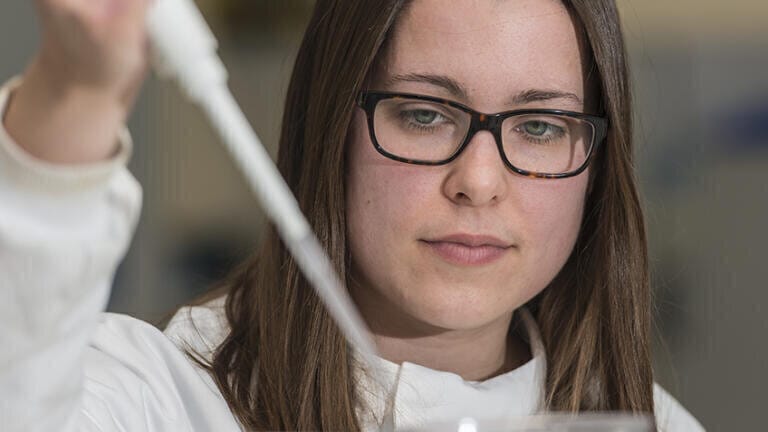
Dr Sarah Purnell, Environmental Microbiologist at the University of Brighton, said: “This project aims to transform how we monitor water quality. By combining DNA sequencing with bacteriophage diagnostics, we expect to deliver a tool that can quickly and precisely identify human faecal pollution, helping regulators and communities safeguard water resources and public health.”
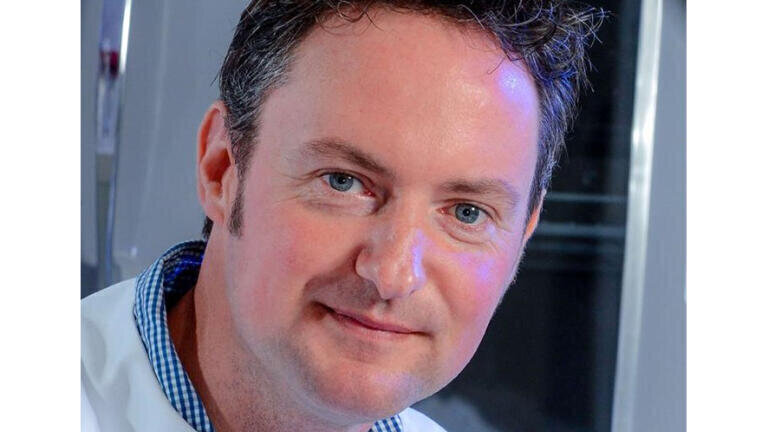
Professor James Ebdon, Co-Investigator in the University’s Environment and Public Health Research Group, added: “This is an exciting opportunity to apply cutting-edge biomolecular tools to advance Microbial Source Tracking—an area our researchers have been working to improve for more than 25 years.”
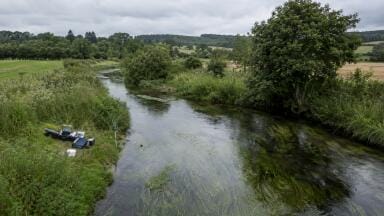
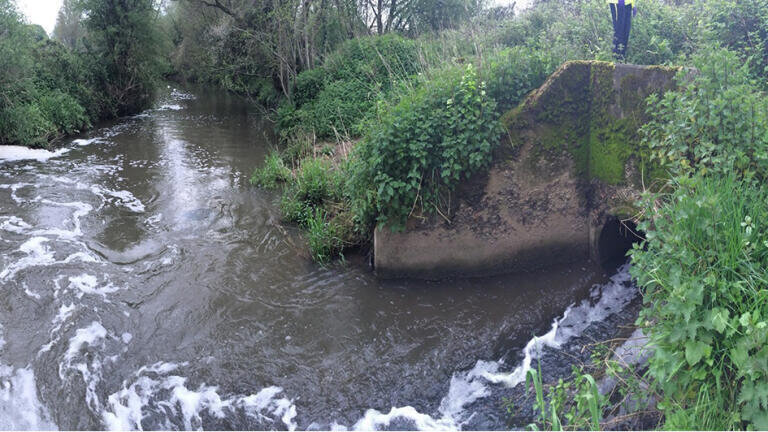
The technology will be tested by the Environment Agency and the University of Sheffield on the River Wharfe in Yorkshire, home to England’s first inland designated bathing site at Ilkley, which continues to face sewage- and runoff-related water quality challenges.
By equipping regulators and industry with the means to identify pollution at its origin, this Brighton-led collaboration could significantly strengthen UK water management and contribute to safer rivers and cleaner drinking water nationwide.
The project is being delivered in partnership with the University of Bath, the University of Sheffield, the Environment Agency, and regional water service providers.
IET 36.5 Sept/Oct 2026


 Product directory




.jpg)