Portable & field testing
Published over 10 years ago. See the latest and most current information on Portable & field testing.
From cost efficient UV - monitoring to multi-parameter Colour/ Organics/ Turbidity/ UV254 applications, from small unmanned plants to large distribution networks, the i::scan has it covered.
The latest i::scan combines the high performance of a multi wavelength LED based spectrophotometer with competitive pricing and electronic compensation/filtration for solids within dissolved compounds.
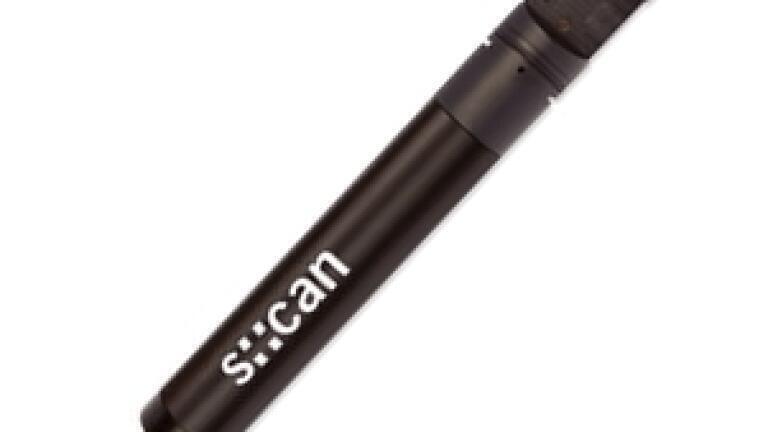
s::cans latest product, the i::scan is compact, precise robust and very affordable!
UV-Vis spectrometer probes offer the unique possibility to accurately measure color, organics (COD, TOC, DOC) as well as turbidity, all within a single sensor. As UV-Vis spectrometry is a purely optical technique, no chemicals or other consumables are required, making this technology the simplest, most robust, lowest maintenance available today. The relatively high cost of submersible spectrometer hardware has previously restricted it’s use to high-end or specialized applications.
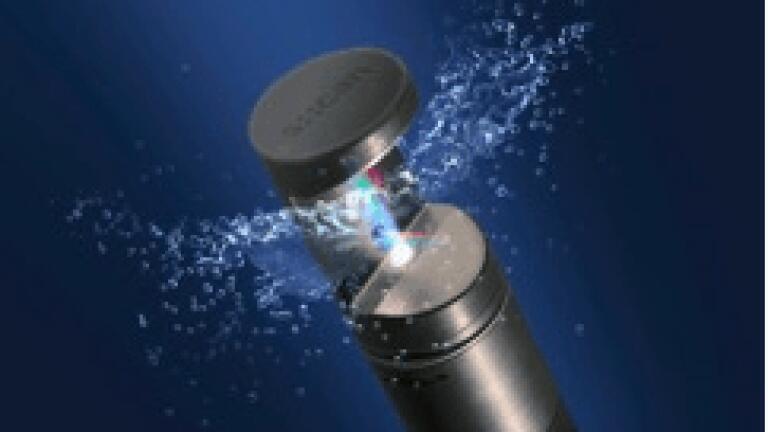
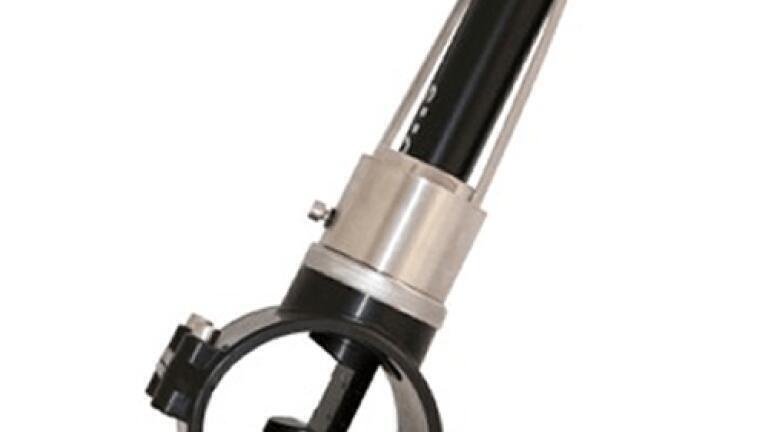
The i::scan is a revolutionary miniature spectrometer combining innovative LED technology with state of the art optical measurement capability. The result is a sensor so cost efficient that it will revolutionize water quality monitoring. The i::scan can be used in a wide range of applications including process optimization, highly resolved 'Smart Water Grids', coagulant control, waste water and water treatment plants, etc
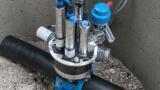
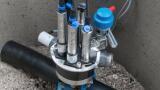
The compact design of the sensor allows for direct mounting into pressurized water pipes. The i::scan is manufactured from high-tech polymer (PEEK) complete with sapphire windows. It is 100% corrosion free, can be used in highly challenging water conditions. Due to the low power consumption of the i::scan (less than 1 W typical) it can be easily powered by renewable energy sources including solar panels it in remote and/or small unmanned stations.
For more details or a demonstration, visit us at pma.uk.com or e-mail us directly at [email protected]
IET 36.5 Sept/Oct 2026




 Product directory