Environmental laboratory
Published over 12 years ago. See the latest and most current information on Environmental laboratory.
In high-throughput analysis the most important demand is to have safe and stable performing analysis systems. To ensure this, usually trained personnel must carefully check and maintain the core components of the analyser in short intervals. This costs valuable operation time. The laboratory technician has to make sure that the measurement results are not affected by the quality of combustion or by the sensitivity of the detection. Also drying and cleaning of the reaction gas play an important roles in the analysis process. If they are not working properly not only wrong results are delivered, but also expensive system components can be contaminated or damaged by condensation and clogging.
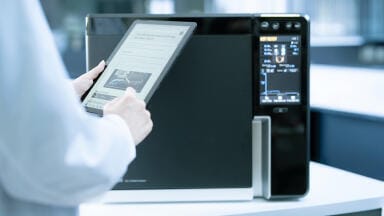
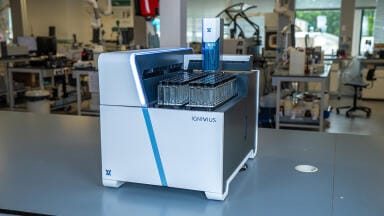
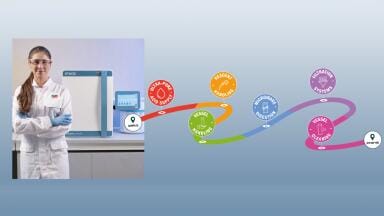
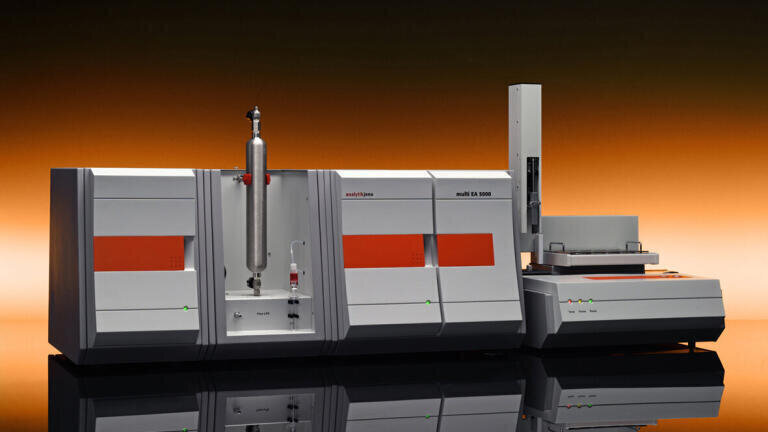
The multi EA 5000, from Analytik Jena (Germany), with auto-protection system automatically monitors the drying and cleaning process. This avoids problems from the very beginning and thereby ensures best analysis results. If maintenance is required, the operator will be informed by the system itself. In addition auto-protection safeguards the entire analyser by trapping harmful particles and aerosols. It prevents also back-flush of scrubber solutions and electrolytes (chlorine analysis) in case of power failure. This safes valuable operation time and reduces maintenance interventions to an absolute minimum.
IET 36.5 Sept/Oct 2026



 Product directory