
Water quality monitoring
Since surface and wastewater often contain suspended solids as well as dissolved substances, each capable of carrying organic pollutants, both fractions must be determined in water quality testing. Sum parameters such as total organic carbon and total bound nitrogen (TOC/TNb) as well as dissolved organic carbon and dissolved bound nitrogen (DOC/DNb) play a key role for assessing the quality of surface waters.
Surface waters play a vital role in industrial processes and everyday life – whether as raw water for cooling processes in various industries, boiler feed water in power plants, or as resource for drinking water generation. With the introduction of DIN EN ISO 20236, catalytic high-temperature combustion became mandatory for the simultaneous determination of these parameters in water. This requires high-temperature combustion analyzers. Two years after its introduction, DIN EN ISO 20236is well established, but not without challenges. Users hurdle in calibration, sample preparation, or nitrogen compound detection. The good news is that modern analytical systems can not only meet these requirements but exceed them.
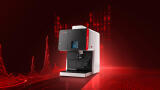
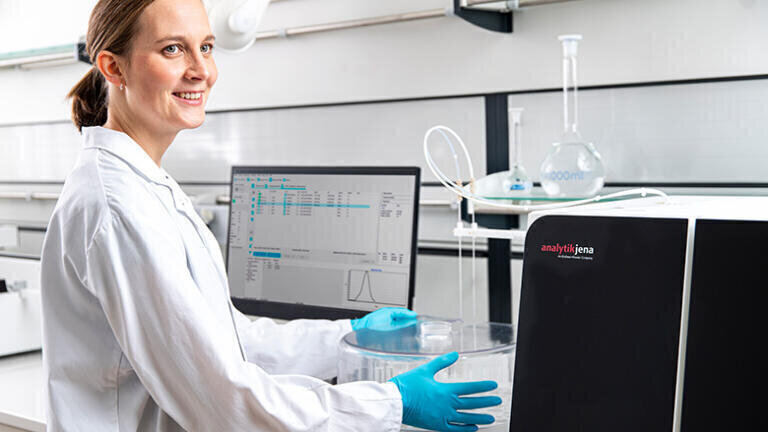
The multi N/C x300 series delivers outstanding performance with features that simplify compliance and boost efficiency:
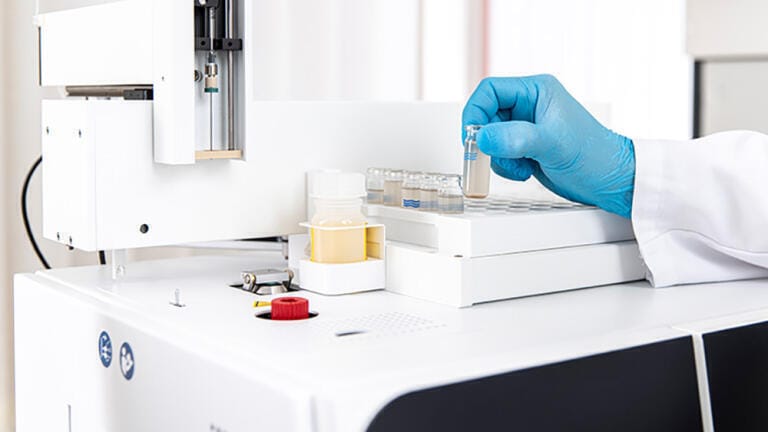
In the cellulose test prescribed by DIN EN ISO 20236 and DIN EN 1484, TOC/TNb analyzers must prove the complete transfer and oxidation of a representative aliquot of the suspended particle solution. An application test demonstrated that multi N/C x300 scored excellently with outstanding results at 100 mg/L with recovery rates above 94% and relative standard deviations (RSD) below 0.5%. The decisive factor is its innovative injection technology: top-to-bottom injection by direct injection systems, and loop injection with automatic rinsing by flow injection analyzers, combined with large inner diameters (up to 0.8 mm) and complete sample oxidation.
In many countries, TOC combustion analyzers are legally required for determining the organic load of wastewater, replacing the COD parameter. This shift makes the analysis more environmentally friendly by eliminating hazardous chemicals like potassium dichromate, sulfuric acid, and mercury salts used in COD test kits. While initial investment in TOC technology is higher than for COD devices, the pay-off is clear: a case study shows that with modern and long-living analytical systems like the multi N/C x300 series, laboratories save up to €17,000 per year on UV/Vis test kits alone, after just two years, plus additional savings from reduced disposal costs, higher sample throughput, lower personnel requirements as well es environmental and health benefits.
Switch and Save: Get Case Study
The introduction of DIN EN ISO 20236 has changed water analysis: it sets global standards for determining TOC/TNb and DOC/DNb and contributes to more environmentally friendly and efficient analysis. With systems like the multi N/C x300 series laboratories can overcome compliance challenges with ease while reducing cost of ownership and simplifying everyday laboratory work. Investing in a powerful high-temperature combustion analyzer today lays the foundation for long-term cost savings, higher productivity, and a sustainable future in water analysis.
IET 36.5 Sept/Oct 2026


 Product directory



.jpg)









.jpg)