Air quality monitoring
Published over 3 years ago. See the latest and most current information on Air quality monitoring.
The proposal for the revision of the EU Ambient Air Quality Directives has been published on October 26th. Stated are not only stricter limits and targets but also so called 'improved access to justice', enhancing the right to clean air. This highlights the significance of air quality monitoring – for authorities and private companies.
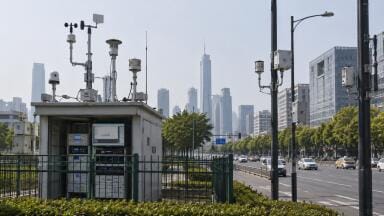
Airports, ports, cement plants, construction and mining companies or other industrial sites, even domestic heating - these are just a few examples for companies and sectors which have an impact on air quality. In these cases, a wide range of pollutants is emitted. These pollutants and their toxic baggage do have an immense impact on our health. Accordingly, organizations need to have an air quality monitoring system implemented. This facilitates targeted or even preventive measures including process optimization towards emission control and reduction. EHS-experts and other managers responsible need to evaluate for their organization:
Starting with instruments, but also data acquisition, analysis, or visualization: It´s all about data quality and integrity. Therefore, measuring devices must be able to measure the most important parameters accurately and precisely (for example PM1, PM2.5, PM4, PM10, TSP, CN, gaseous pollutants, ultra-fine particulates).
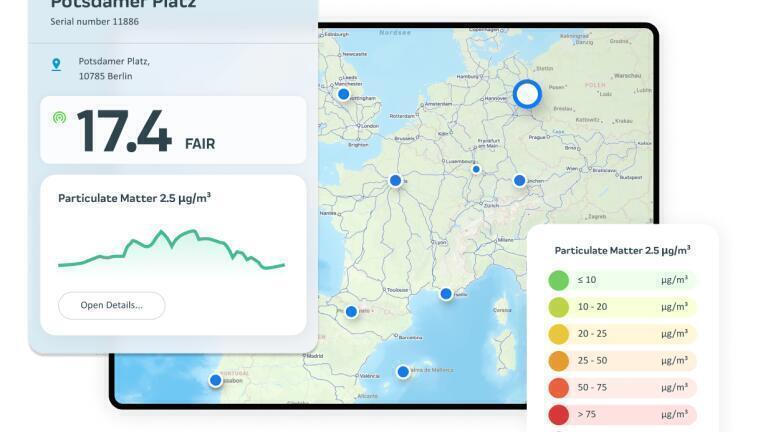
To be able to react effectively and timely to poor air quality, measurements should be taken in real time. In addition, data should be easily and intuitively accessible – not only for scientists. High system availability is also essential. Accordingly, there should be almost no downtime due to service or maintenance.
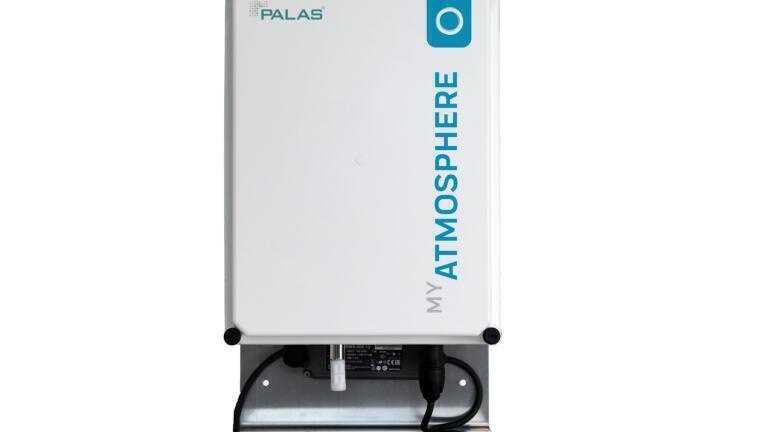
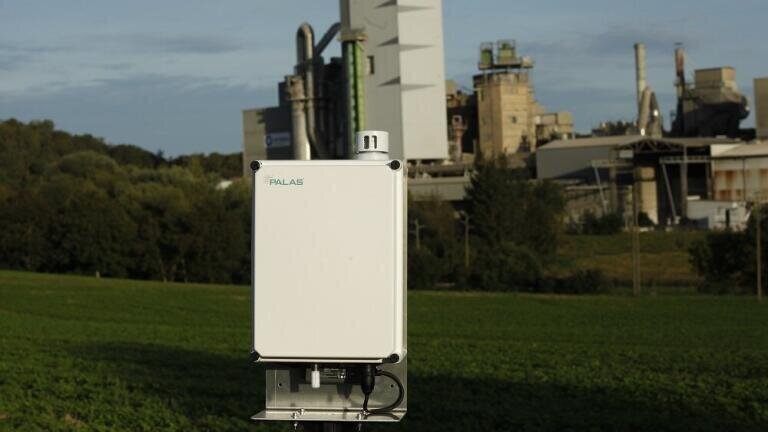
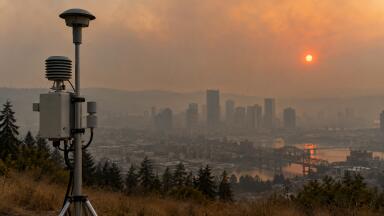
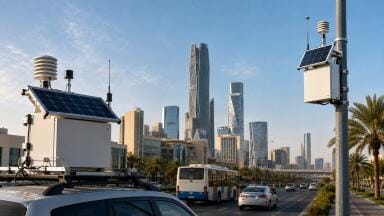
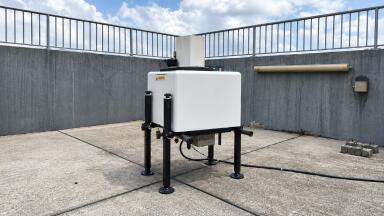
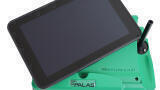
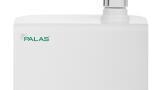
As latest innovation from Palas® the AQ Guard Smart family of products integrates sensors for fine dust, ultrafine particles, and gaseous pollutants. The lightweight and easy-to-use instruments for ambient air are suitable as a supplement to regulatory measurements, for monitoring and controlling safe working conditions as well as for temporary or permanent air quality monitoring. They are also MCERTS certified for PM2.5 and PM10.
For a better understanding and interpretation of air pollution and their origin, the device can be equipped with a weather station. Temperature, humidity and pressure sensors are integrated as standard.
Like other Palas® air quality analyzers such as the QAL1-certified Fidas® 200 data acquisition for AQ Guard Smart devices can be conveniently managed through the Palas® Cloud MyAtmosphere. The platform also offers API-capabilities for integration with 3rd party systems.
IET 36.5 Sept/Oct 2026


 Product directory



.jpg)













.jpg)