Air monitoring
Published over 5 years ago. See the latest and most current information on Air monitoring.
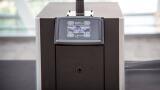
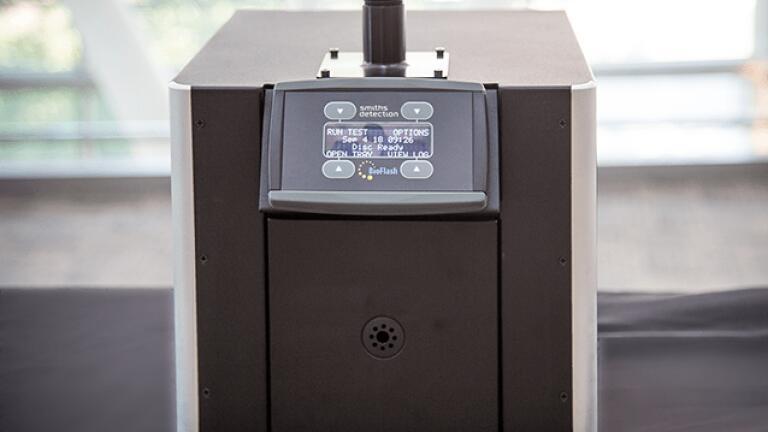
Smiths Detection, announces that its BioFlash® Biological Identifier has been successfully used by the University of Maryland, Baltimore County (UMBC) to identify airborne SARS-CoV-2 inside their campus in real-time at the point of testing.
As part of their mitigation strategy for COVID-19, UMBC’s Environmental Safety and Health (ESH) team have been using BioFlash across the campus. In one instance, the airborne detector was deployed to help the campus community safely re-enter a research facility after a person working there tested positive. After multiple tests performed on the BioFlash ruled- out the presence of airborne SARS-CoV-2, the ESH team deemed the facility contamination- free, allowing staff and students to safely return and research to continue without significant pause.
In a separate instance, in a collaborative effort with the UMBC Sports Medicine Department, a test conducted in a team locker room resulted in a positive environmental detection on the BioFlash. This detection ultimately led UMBC to test all people present for COVID-19, identifying three infected individuals. This helped prevent further spreadof the virus.
“We are delighted to see what we believe is a world-first for our technology. BioFlash,with its real-time results capability, has been used by UMBC in a real-world setting tosuccessfully confirm the presence or absence of COVID-19 in the air and inform health and safety protocols,” said Smiths Detection President Roland Carter. “We have been working incredibly hard to provide a tool that will support the ongoing fight against COVID-19, and these applications demonstrate the role BioFlash can play in virusmitigation strategies.”
“The BioFlash system has helped us to prevent the spread of the virus in our on-campus community. We are also pleased that this tool to protect the health and safety of people on our campus is easy to use and environmentally friendly,” said Lynne Schaefer, UMBC Vice President for Administration and Finance. “We will be using this solution as part of a larger mitigation strategy, alongside other important tools like sanitation, masks, regular testing, physical distancing, and symptom monitoring.”
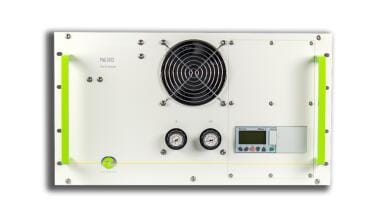
BioFlash works by collecting and analysing air samples using sensitive, selective and rapid detection technology to identify the presence of dangerous pathogens onsite without the need to involve a laboratory. Following successful internal testing, Smiths Detection has been engaged in various external studies to further verify the SARS-CoV-2 detection capability, including working with the USAMRIID, which verified that BioFlash could identify SARS-CoV-2 in a laboratory setting.
IET 36.5 Sept/Oct 2026


 Product directory



.jpg)