Air monitoring
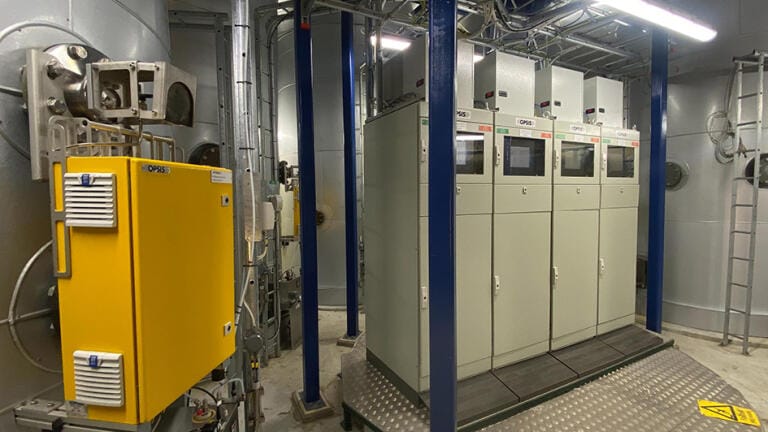
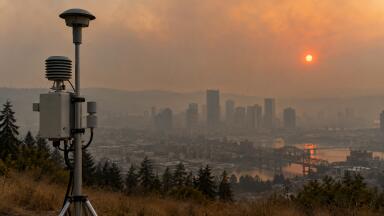
Waste incineration and energy-from-waste operators face increasing pressure to demonstrate compliance, minimise risk, and adopt best available techniques (BAT). In response to these growing demands, Cura Terrae Air is helping facilities modernise their approach to emissions monitoring with advanced solutions for dioxins and mercury from OPSIS AB - designed to improve efficiency, accuracy, and operational confidence.
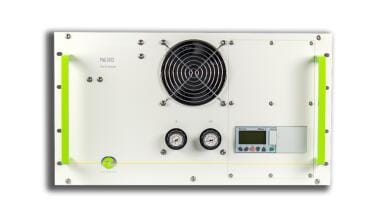
Traditional methods for monitoring pollutants such as dioxins and mercury are often time-consuming, costly, and labour-intensive. OPSIS addresses these challenges with the DX100 Dioxins System, which automates sampling in accordance with EN 1948 standards. By reducing the need for manual intervention, the system improves data consistency while significantly lowering the operational burden on site teams. The result is a more reliable, streamlined approach that supports continuous compliance with less effort.
In addition to automated dioxins sampling, the DX100 offers optional simultaneous CO₂ sampling. This capability enables operators to accurately determine biogenic and fossil carbon content - an increasingly important requirement as carbon reporting standards tighten and taxation pressures mount. By eliminating reliance on assumptions, facilities can enhance the accuracy of emissions reporting and avoid potential financial penalties.
For mercury monitoring, OPSIS continuous emissions monitoring systems (CEMS) use MCERTS-approved Differential Optical Absorption Spectroscopy (DOAS) technology to deliver real-time measurement of total mercury across all compound forms. With detection limits below 0.5 µg/m³ and multi-gas monitoring capability, OPSIS systems provide a comprehensive solution. In addition to total mercury (THg), a typical system measures key gases including NO, NO₂, SO₂, CO, HCl, H₂O, CO₂, and HF - supporting both current compliance requirements and future monitoring needs.
Together, these technologies enable operators to move beyond basic compliance and achieve enhanced operational insight, reduced administrative workload, and greater audit confidence - all while delivering long-term cost efficiencies.
As regulatory expectations continue to evolve, now is an ideal time for operators to review their emissions monitoring strategies. OPSIS offers a forward-looking solution that supports both current requirements and future challenges.
IET 36.5 Sept/Oct 2026



 Product directory


























.jpg)