Environmental laboratory
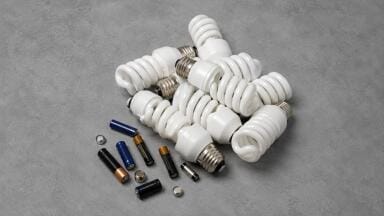
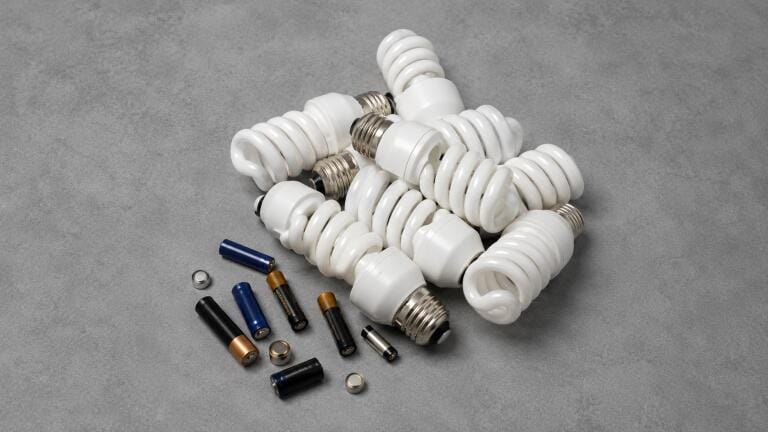
China's Ministry of Ecology and Environment released a draft regulation in November 2025 implementing amendments to the convention, targeting 12 specific mercury-added product types and prohibiting mercury catalysts in polyurethane production, with restrictions extending to some batteries, cosmetics, fluorescent lamps and high-precision measuring instruments.
Deadlines for fluorescent lamp categories run to 31 December 2026 and 2027, depending on wattage and phosphor type.
Taiwan has proposed a near-total ban on the manufacture, import, sale and use of mercury, aside from specified permitted uses, with phase-out deadlines for compact fluorescent lamps set at 31 December 2026, and for linear and non-linear fluorescent lamps at 31 December 2026 and 2027 depending on wattage.
Japan expanded its list of Class-I chemicals and mercury products under the Chemical Substances Control Law in 2025, extending import bans to specified products and introducing a phase-out schedule for products entering the Japanese market.
Hong Kong amended its Mercury Control Ordinance in 2025, adding 16 mercury-added products to its restricted list.
The first phase, covering products including compact fluorescent lamps and measuring devices, took effect on 31 December 2025, with a second phase expected in 2026.
Singapore's Ministry of Sustainability and the Environment and National Environment Agency introduced a complete ban on nine mercury-added product categories from 1 August 2025, alongside new hazardous substance licensing requirements.
Vietnam's draft decree introduces disclosure and tracking requirements for 241 substances, including those covered by the Stockholm and Rotterdam Conventions, requiring manufacturers and importers to declare product chemical information and publicly disclose composition details.
IET 36.3 May
 Product directory