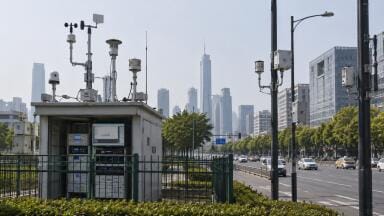
Air monitoring
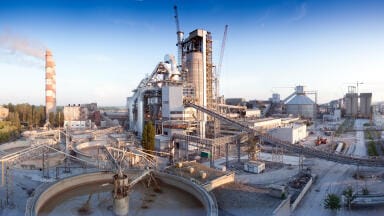
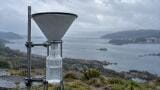
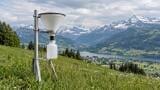
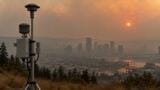
The plan targets a modern monitoring system by 2030, with the validity rate of automatic monitoring data set to rise from 95 per cent in 2025 to 98 per cent in 2030, and the intelligent level of operation, maintenance and key-indicator testing reaching 70 per cent.
It also calls for stronger monitoring of new pollutants, heavy metals, greenhouse gases and ecological problems.
Other targets include raising the safe utilisation rate of contaminated farmland from around 93 per cent in 2025 to more than 95 per cent by 2030, and increasing the proportion of groundwater of good quality from 74.3 per cent to more than 78 per cent.
The plan also aims to lift the rural domestic sewage treatment rate from 55 per cent to 70 per cent, with environmental improvement projects planned for 80,000 villages.
On solid waste, China generates more than 11 billion tonnes annually and holds an estimated 30 billion tonnes of historically stored industrial solid waste.
The plan calls for effective control of these stockpiles by 2030, alongside curbs on illegal dumping and an information-based regulatory network covering key sectors.
It also sets a target of cutting the share of hazardous waste disposed of through landfill from around 13 per cent in 2025 to no more than 10 per cent by 2030.
IET 36.5 Sept/Oct 2026



 Product directory