Air monitoring
Published over 5 years ago. See the latest and most current information on Air monitoring.
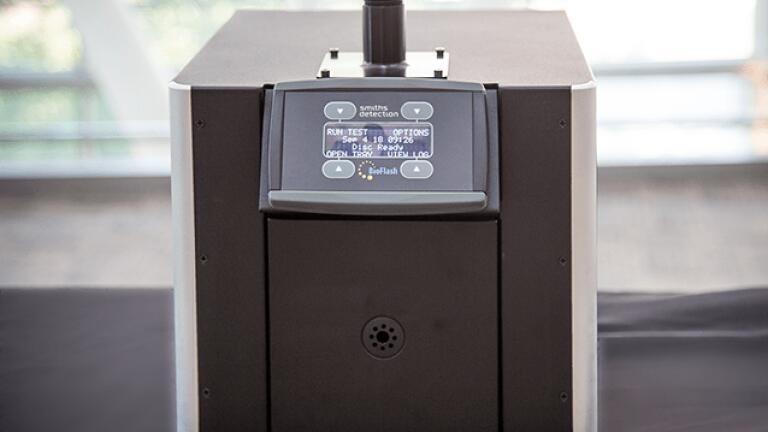
Smiths Detection have announced that its BioFlash® Biological Identifier is capable of detecting SARS-CoV-2 in the air following tests conducted by the United States Army Medical Research Institute of Infectious Diseases (USAMRIID).
The tests were performed using live SARS-CoV-2 virus in a Biosafety Level 3 containment area at Fort Detrick, Maryland. The SARS-CoV-2 CANARY biosensor used in the BioFlash device demonstrated that it can quickly detect and identify the presence of low levels of aerosolized SARS-CoV-2.
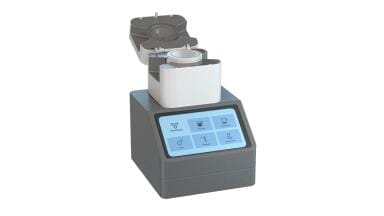
The BioFlash® Biological Identifier is powered by Canary® technology (a cell-based biosensor) and is combined with proprietary aerosol-collection techniques to provide rapid, sensitive and specific identification of biological-threat agents including viruses, toxins and bacteria.
“We are working incredibly hard to provide a tool that will support the ongoing fight against the coronavirus,” said Roland Carter, President, Smiths Detection. “BioFlash is an effective and trusted environmental monitoring tool. These test results provide valuable data in understanding the spread of COVID-19 and help protect people in indoor environments such as hospitals, schools and commercial buildings.”
USAMRIID confirmed that Smiths Detection’s BioFlash can detect down to an estimated 6,000 airborne infectious particles of the SARS-CoV-2 virus within a controlled environment. This compares to as many as one million particles emitted in a single sneeze by a person infected with SARS-CoV-2. The test results also indicate no cross-reactivity with influenza and Middle East Respiratory Syndrome (MERS), an important consideration for environmental monitoring of the SARS-CoV-2 virus.
Further testing and research is underway at a number of US universities to collect more data on how the detection technology can help prevent outbreaks and guide both public and private organizations in COVID-19 mitigation strategies.
IET 36.5 Sept/Oct 2026


 Product directory



.jpg)