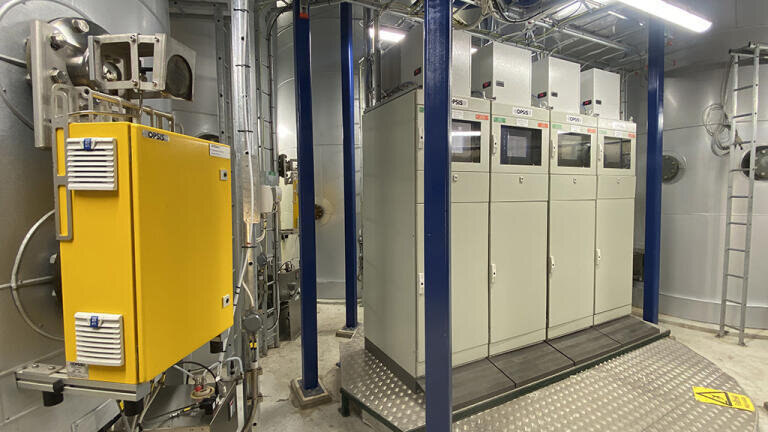
Air monitoring
As greenhouse gas emission costs continue to influence industrial competitiveness across Europe, accurate carbon dioxide (CO₂) emissions reporting is becoming increasingly important.
Under the European Union Emissions Trading System (EU ETS), many industrial operators must monitor and report greenhouse gas emissions and surrender emission allowances corresponding to their fossil CO₂ emissions. For many industries, using mixed fuels the way emissions are measured can have a direct impact on costs for emission permits. Determining the actual share of biomass-derived CO₂ rather than relying solely on standardised factors can help operators avoid paying for emissions that are considered carbon-neutral under EU regulations.
The EU ETS, introduced in 2005, currently covers around 11,000 installations across Europe and remains one of the world's largest carbon trading systems. While fossil CO₂ emissions require emission allowances, biomass-derived CO₂ is exempt because it is considered part of the natural carbon cycle.
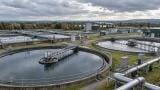
Many facilities operate on fuels containing both fossil and biogenic material. This is notably the case in the waste-to-energy industry using municipal waste as fuel. Similar situations can occur in other industrial processes where mixed fuels are used.
In such cases, operators may apply standard biomass fraction factors established by regulatory authorities. However, these factors may not always reflect the actual composition of the fuel being used.
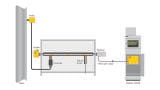
An alternative approach is to determine the biomass fraction through direct CO₂ sampling followed by carbon-14 analysis. This method allows operators to distinguish between fossil and biomass carbon and document the actual biogenic share of their emissions.
"By measuring the actual biomass content, operators gain a more accurate basis for emissions reporting and can potentially reduce their costs", says Bengt Löfstedt from OPSIS.
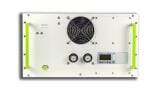
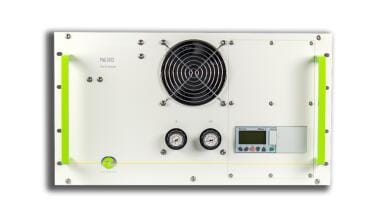
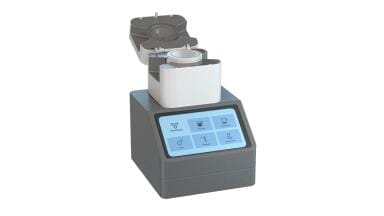
OPSIS has developed CO₂ sampling solutions for this purpose, including the CO200 sampler.
The financial implications can be substantial. A medium-sized waste-to-energy facility processing approximately 100,000 tonnes of municipal waste annually may face emissions permit costs in the millions of euros, depending on allowance prices and fuel composition.
Even a small increase in biomass fraction compared to the standardised factor can lead to substantial savings. For larger facilities, the reduction in required emission allowances may amount to hundreds of thousands of euros per year, quickly outweighing the costs associated with sampling and analysis.
The importance of accurate CO₂ emissions monitoring and reporting grows as European climate policies continue to evolve. Since 2024, municipal waste incineration plants have been required to monitor and report CO₂ emissions, and the European Commission is currently assessing the sector's future inclusion in the EU ETS. Several member states have already introduced this at national level.
As industries prepare for a future of increasing greenhouse gas accountability, accurate emissions data is becoming more than a regulatory obligation. For many operators, it may also represent an opportunity to improve both environmental image and financial performance.
OPSIS is a global supplier of environmental monitoring systems for gas analysis and related services, both for ambient air quality monitoring, for continuous emissions monitoring, and process control applications.
IET 36.5 Sept/Oct 2026


 Product directory