Water/wastewater
Published over 8 years ago. See the latest and most current information on Water/wastewater.
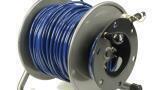
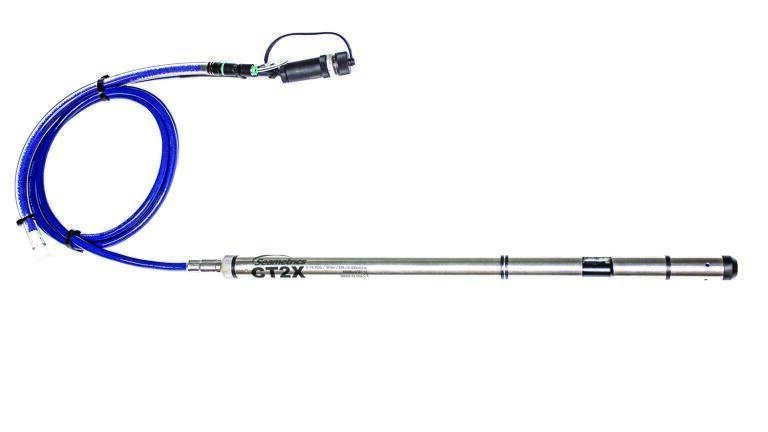
When selecting a submersible sensor for a project, the focus tends to be on sensor technology, features, and software; however, sensor cabling is also a key component. While there are several materials and types to choose from, the following three cover most site needs. Polyurethane: great for most general-purpose applications; a flexible jacket material that is easy to route and resists abrasion. HDPE: a stiff, strong jacket suited for direct burial and improved chemical resistance; recommended for long term applications. ETFE: designed for the harshest of environments providing superior chemical resistance even at higher temperatures. Seametrics Smart Sensors use robust custom cabling available in all three jacket materials mentioned. All standard cabling includes stranded conductors lined with polyethylene for good insulation and flexibility. Beneath the jacket is a braided shielding to provide both electrical noise protection and tensile strength. In combination with aramid fiber stranding woven between the conductors, this shielding not only makes our cables self-supporting, but also eliminates cable stretch down the well. When properly earth grounded, this shielding also provides electrical noise protection allowing installation alongside power wiring without affecting sensor performance. For vented applications, we use a strong nylon vent tube that will not collapse under compression and allows for tight bends without kinking. Cable quality is an important factor when selecting an environmental sensor and Seametrics has the right one for your unique application.
IET Guide 2026

 Product directory