Portable & field testing
Published over 7 years ago. See the latest and most current information on Portable & field testing.
Only 1 percent of the water on Earth is usable, 99 percent of which is groundwater. Groundwater is also the world's most extracted natural resource with an estimated 259 trillion gallons being extracted yearly. This makes tracking the quantity, and quality of this vital resource extremely important. Since groundwater can’t be directly observed we rely on sensor technology to provide the data needed to assess and track groundwater conditions.
By deploying Smart Sensors that can log data autonomously, powered by internal batteries, we can record detailed continuous data in the field to provide a much clearer picture of groundwater conditions than traditional manual sampling can provide. This is particularly important in remote locations where frequent visits are costly and time consuming, and infrequent visits simply don’t provide enough data to make meaningful decisions.
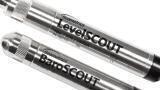
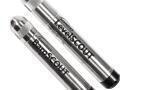
Smart Sensors recording pressure/level and temperature provide important well level data used to determine the available water in an aquifer through pumping tests, as well as track aquifer levels long term to ensure proper aquifer usage. These level sensors can also be connected to a control system to keep a pump operating in a set window, or to shut a system down when levels are too low to safely continue pumping.
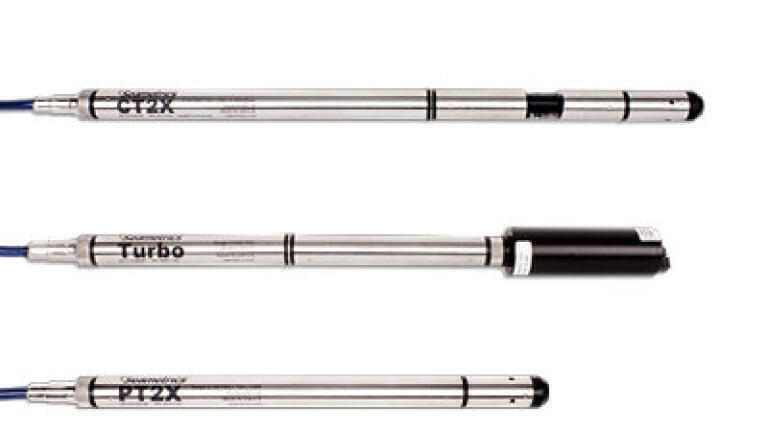
Smart conductivity/temperature sensors, like our CT2X, record the electrical conductivity of the water, with optional level recording, to determine its purity. Based on conductivity we can also calculate the Total Dissolved Solids (TDS), and Salinity of the water. This data can tell us not only how pure the water in the well is, but over time track changes in this purity from outside contamination. A spike in conductivity could indicate situations such as saltwater intrusion, a chemical spill, or irrigation runoff entering the aquifer.
Whether tracking aquifer level, or water quality, tying Smart Sensors to a telemetry system will allow you to track real-time changes remotely giving you instant feedback from the field. If the telemetry signal is lost for some reason the sensors will continue recording internally so you won’t lose any valuable data.
Seametrics manufactures a range of Seametrics Smart Sensors to fit these needs. We offer the ability to record parameters including temperature, pressure/level, conductivity, TDS, salinity, pH/ORP, turbidity, and dissolved oxygen directly in the well. The quicker we can accurately detect and reliably track these situations, the quicker they can be remedied to protect our groundwater’s future.
Life as we know it would be impossible without groundwater, and accurately monitoring groundwater would be impossible without Smart Sensor technology.
IET Guide 2026
 Product directory