Environmental laboratory
Published over 7 years ago. See the latest and most current information on Environmental laboratory.
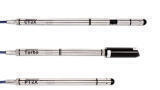
Ideally, a pressure transducer would respond only to pressure. In reality, we know pressure readings can vary as temperature changes. Additionally, each individual transducer introduces variations of its own.
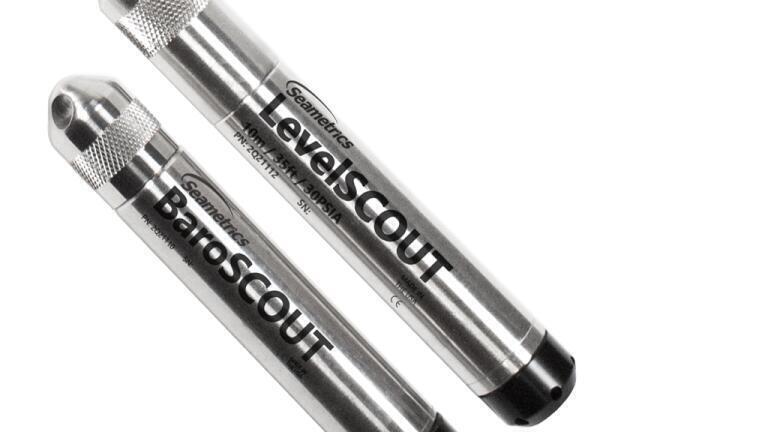
To combat these discrepancies, Seametrics has developed a patented compensation technique: “Digitally Temperature Compensated Strain-Gauge Pressure Measuring Apparatus” that is used on the entire line of Seametrics pressure transducers.
Before leaving the factory, each sensor is individually calibrated. Using a high precision environmental chamber, numerous sample measurements are taken at 5°C, 20°C, and 35°C at both zero and full-scale pressures. Six calibration parameters are determined from this sample data, three for offset and three for slope. Offset and slope errors are defined as second order functions of temperature.
Parameters for both are determined by least squares fit of data for known temperature and known pressure samples. These parameters are then stored in memory on each individual Smart Sensor.
During operation, uncompensated temperature and pressure data is collected and stored in the sensor memory. When data is retrieved from the sensor, the calibration parameters are also retrieved. The retrieving program, typically our Aqua4Plus2.0 control software, then applies the calibration parameters before displaying the data for export. The resultant data is highly accurate – each data point having been individually adjusted to compensate for temperature variations and individual characteristics of the particular sensor.
In addition to the unparalleled accuracy that Seametrics Smart Sensors offer, they’re also the only line of non-disposable, eco-friendly sensors on the market. With replaceable batteries, field serviceable cables, and modular, rebuildable sensor construction, they’re designed to minimise environmental and budgetary waste.
IET Guide 2026

 Product directory