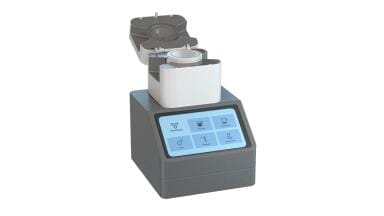
Water quality monitoring
This latest move seeks to return the certification process to its primary statutory purpose: protecting water quality while minimising the regulatory delays that have historically hindered critical infrastructure and energy projects.
For water monitoring professionals and environmental consultants, this represents a significant shift in how projects are scoped, how data is submitted, and how state and tribal authorities exercise their oversight.
The 2026 proposal serves as a direct corrective to the 2023 "Water Quality Certification Improvement Rule."
Under that previous framework, the scope of review was expanded to include the "activity as a whole," which allowed certifying authorities to evaluate non-water-quality impacts such as upland erosion, greenhouse gas emissions, and broader habitat concerns.
The new proposal narrows this lens back to the point source discharge. For field scientists and monitoring leads, this means that the technical focus must return specifically to the direct discharge into federally regulated waters.
The EPA’s objective is to ensure that Section 401 is utilised as a focused tool for verifying compliance with specific water quality standards rather than a mechanism for broader project obstruction.
One of the most frequent pain points for the regulated community has been the administrative delay regarding application completeness.
Historically, states and authorised tribes could define their own criteria for what constituted a "complete" application, often pausing the review clock until bespoke data sets were provided.
The 2026 rule introduces a Standardised National List of required components. This uniform approach ensures that the statutory one-year review period begins automatically upon receipt of these specific items.
While certifying authorities may still request additional technical data during the review period, they can no longer use ‘completeness’ hurdles to toll the start of the ‘reasonable period of time’.
A central pillar of the new proposal is the elimination of the "withdraw and resubmit" tactic.
Under previous interpretations, some states requested that applicants voluntarily withdraw their applications and immediately resubmit them to effectively restart the one-year statutory clock.
The proposed rule codifies a strict adherence to the one-year maximum review period and stipulates that if a certifying authority fails to act within this window, the certification is considered waived.
This change provides project proponents with a reliable and predictable permitting timeline, ensuring that tactical delays do not stall projects of national economic importance.
The transition from the 2023 framework to the proposed 2026 rule involves several critical procedural shifts regarding permit conditions.
The new rule moves away from the 2023 model where states could address indirect environmental goals and instead limits conditions to those directly related to water quality requirements and applicable CWA provisions.
Furthermore, the proposal changes the modification process so that any post-certification changes must involve the mutual agreement of the applicant and the federal permitting agency.
This prevents unilateral state action from altering the terms of a permit once the initial certification has been granted.
The EPA intends to finalise this rule by the end of Spring 2026, following a 30-day public comment period that concludes on 17 February 2026.
This timeline underscores the administration's commitment to "cooperative federalism," where states and tribes maintain their essential role as co-regulators but must operate within clear, congressionally defined boundaries.
Monitoring professionals should prepare for a period of transition where initial submissions must be technically precise and fully aligned with the new national criteria to avoid immediate deficiencies, even as the overall scope of required non-water-quality data is reduced.
IET 36.5 Sept/Oct 2026



 Product directory



.jpg)












.jpg)