US researchers have found that non-native worm species can actually undermine
soil quality and pose a threat to existing plant species.
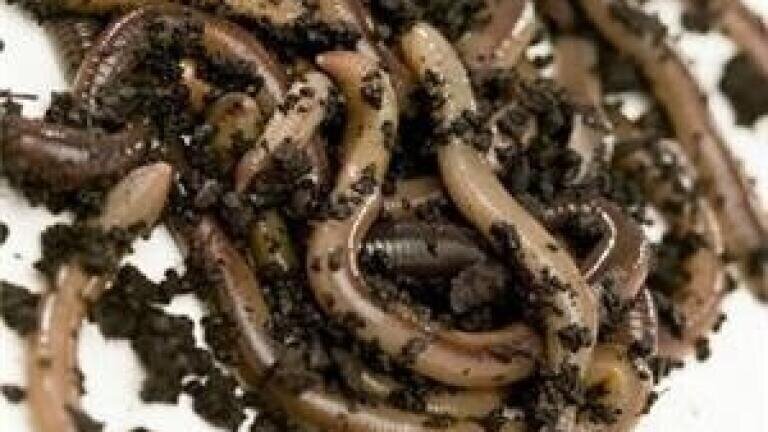
According to scientists from the Colgate University in New York, earthworms can dramatically change the carbon and nitrogen cycles observed in wooded areas.
Soil quality can also be compromised as non-native worms can increase the rate at which matter is broken down - boosting the risk of erosion.
The research, published in the Human Ecology journal, showed that earthworms were not always a force for good.
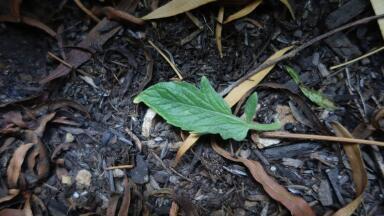
Carbon dioxide levels in soil saturated with earthworms is on average 28 per cent lower and because the darker soil associated with earthworms absorbs light more readily - it dries out much more quickly.
The researchers claimed that human activity, including the transplantation of soil for the horticultural industry could be a leading cause of earthworm spread.
Recently, European farmers were warned that American potato flea beetles are beginning to spread across the continent, which could boost pesticide use on farmland, BBC Farming Today reporter Sarah Swadling said.
Posted by Claire Manning





 Product directory