The first comprehensive study into the after-effects of the recent Fukushima Daiichi nuclear disaster in Japan has shown that
soil quality has taken a hit.
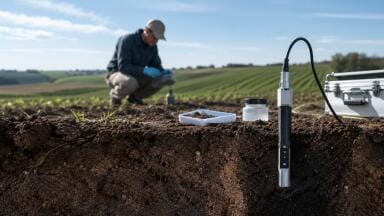
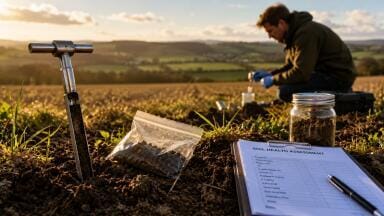
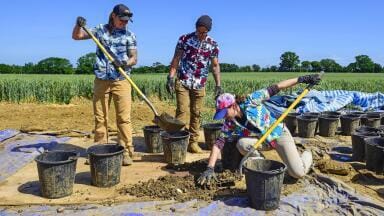
According to scientists carrying out
soil monitoring, there is extensive ground contamination in the region and the radioactivity poses a threat to the food chain.
The survey of 2,200 locations surrounding the plant was conducted between June and July and has shown that 33 of the sites tested had levels of radioactive caesium-137 in excess of the accepted 1.48 million becquerels set by nuclear experts after the Chernobyl disaster.
At this level, compulsory evacuation was enforced.
Another 132 locations have levels of caesium that would result in a ban on farming and voluntary evacuation.
Following the soil quality study, Mamoru Fujiwara, assistant professor of nuclear physics at Osaka University, said: "The government, Tepco and the prefecture must all take steps urgently to allow these people to move permanently, rather than keeping them in temporary evacuation arrangements."
Japan's reliance on nuclear power has been in question ever since the Fukushima disaster, which took place on March 11th 2011 following the Tohoku earthquake and subsequent tsunami.
Posted by Claire Manning





 Product directory