Leak detection
Published over 8 years ago. See the latest and most current information on Leak detection.
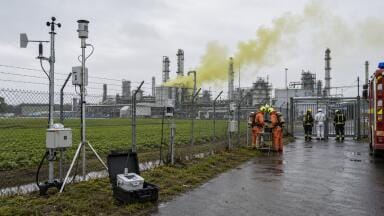
When a pressurised gas leak occurs in a ventilated area, the abilities of traditional sensing technologies are susceptible to environmental factors such as high winds, rain or fog.
The UK Health and Safety Executive (HSE) has determined that in well ventilated areas, conventional detection technologies have only 65% efficiency!
When a pressurised gas leak occurs, the frequency content of the sound being generated extends beyond the audible portion of the spectrum into the ultrasonic region (above 20 kHz). The intensity of the sound generated by a leak is determined by several factors including pressure, leak rate, gas viscosity, and distance from the leak source.
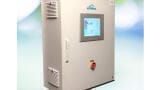
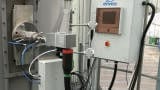
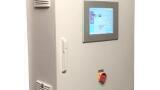
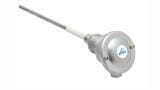
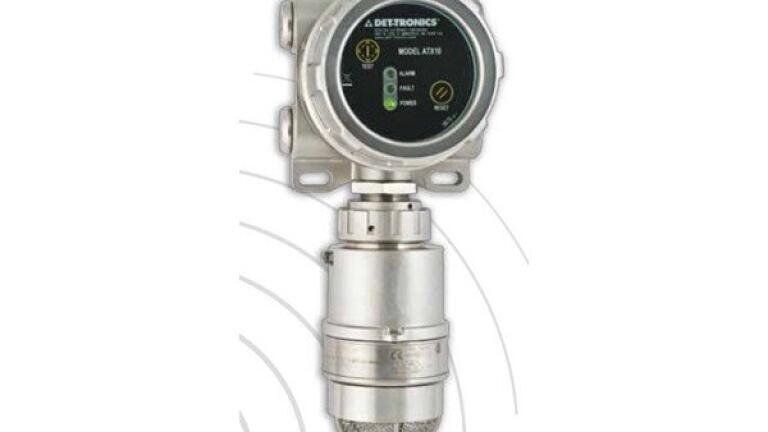
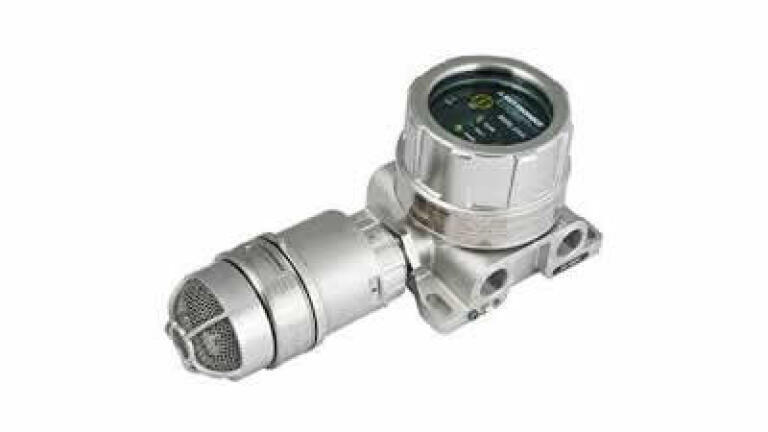
The FlexSonic™ Acoustic Detector, supplied by a1-cbiss is designed to recognise the unique ultrasonic frequency content of events such as gas leaks. It accurately identifies the sound of a gas leak while ignoring other nuisance environmental sounds.
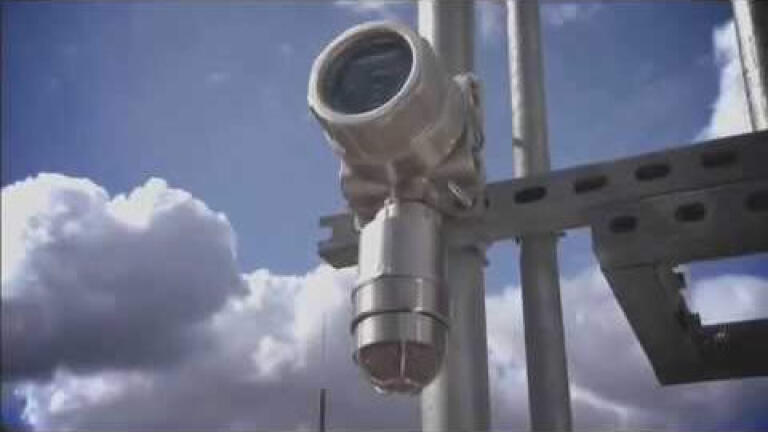
This industrial-quality detector provides another layer of protection in the harshest environments, detecting leaks instantly under virtually all conditions. When combined with line of sight and/or point gas detectors, the additional layer of gas detection compliments conventional methods to increase safety and reduce risk. FlexSonic Acoustic Detector offers the ultimate proven solution for gas leak detection.
IET Guide 2026

 Product directory