
Leak detection
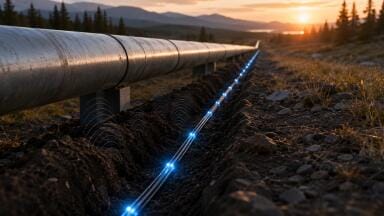
The inspection of gas pipeline networks is increasingly becoming a focus for network operators, utilities, and industry, not least due to the requirements of the EU Methane Regulation (EU 2024/1787). Esders offers a structured end-to-end process that encompasses leak detection (LDAR), emission quantification, and the safe flaring of residual gases, and comprehensive documentation.
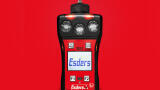
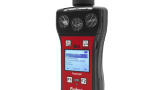
In the first step, precise detection is crucial. Esder’s Laser HUNTER provides a highly sensitive solution for systematic pipeline network inspection. The laser technology used enables selective methane measurement, unaffected by moisture or exhaust gases. In the dual version, ethane can also be detected, enabling reliable differentiation of natural gas from biogenic gases. This saves time and reduces unnecessary follow-up work.
In combination with the Modular System, leak detection can be easily adjusted for various applications, whether it’s a traditional walk-through inspection with a carpet probe or vehicle-based solutions for large network areas using a GasCar or a quad.
After detection, quantification is becoming increasingly important. Supplementary solutions such as bagging probes or Esder’s Vakumobil soil gas extraction unit allow for the accurate measurement of escaping gas volumes. These provide an essential basis for reporting to facilitate subsequent emission reduction.
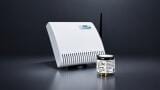
Another component involves the controlled flaring of residual gases to prevent direct emissions. Using a Mobile Gas Flare and the OLLI detector from Esders, methane levels in pipelines can be measured during flaring, before they are converted into less harmful CO2 through the process.
Whether for leak detection, quantification, or the flaring of residual gases, documentation plays a vital role as evidence at every step, and this is fully automated through the device solutions. This ensures a seamless workflow for the sustainable inspection of gas pipeline networks.
IET 36.5 Sept/Oct 2026




 Product directory

















.jpg)