
Environmental laboratory
Published over 11 years ago. See the latest and most current information on Environmental laboratory.
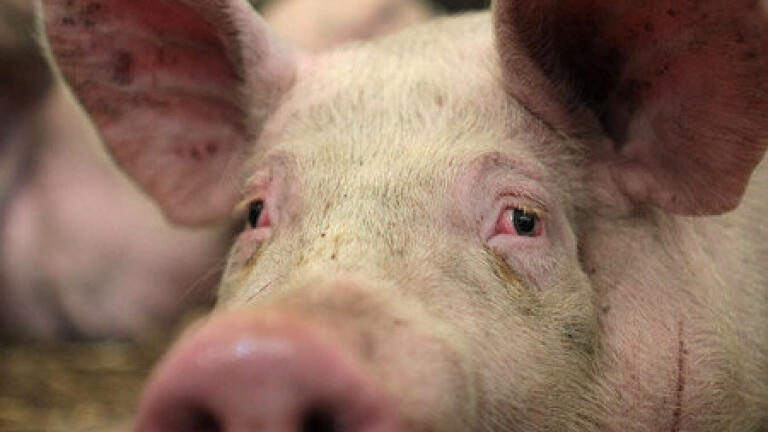
This application note explores the use of routine screening with UPLC and ion mobility to identify multiple protonation sites and different fragmentation patterns within the fluoroquinolone class of antibiotics. It can be used as an important method development tool to support the unequivocal identification of fluoroquinolone antibiotics in crude tissue extracts. UPLC and ion mobility have been utilised to analyse crude extracts of porcine muscle tissue to determine the presence of antibiotic residues including the fluoroquinolone class. Identification and characterisation of the protomers of fluoroquinolones can now be routinely screened for using the Waters UNIFI Scientific Information System. The software within UNIFI allows for the routine characterisation of the fragmentation pathways of the respective protomers to be visualised.
Minimising Carryover During Dioxin Analysis
The Waters Xevo TQ-S with Atmospheric Pressure GC (APGC) provides a very sensitive detection system for the accurate determination of dioxins and furans at regulatory levels.During the analysis of samples of an unknown concentration, extremely high levels of these compounds may be observed. Therefore there is the potential for carryover of target compounds into the following sample injection. The consequence of this would be a falsely elevated quantitative result. In this technology brief, confident and accurate analysis of dioxins and furans can be performed using the prescribed method. Carryover was significantly reduced to 0.007% which is a 20-fold decrease compared to the original values. This virtually eliminated the chance of a false positive result.
Polar Basic Drugs in Environmental Samples; Improved Analysis Using a New High Efficiency
UPLC Column for HILIC
In this application note, the CORTECS UPLC HILIC Column was used to analyse highly polar basic compounds in a spiked river water sample. Sample preparation was performed using the EPA 1694 method modified for use with a smaller sample volume (100 mL rather than 1000 mL) and a smaller Oasis HLB Cartridge (150 mg compared with 1000 mg). The same enrichment factor was maintained and similar performance was observed compared with the protocol given in method 1694.1 Sample preparation time was reduced from about four hours to one hour.
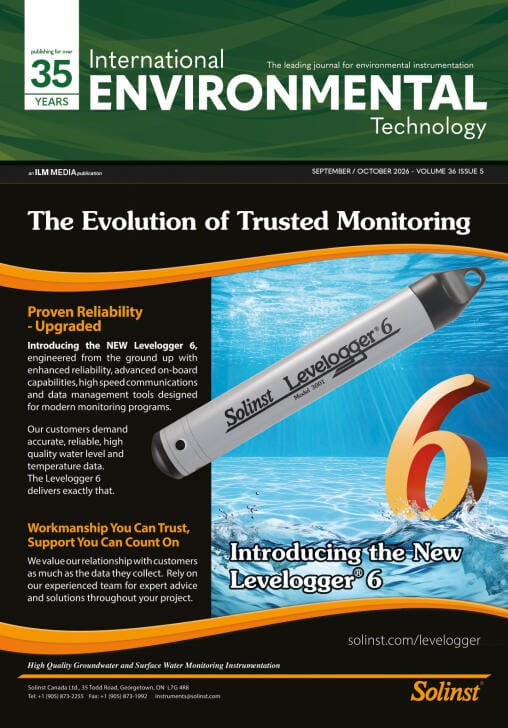
IET 36.5 Sept/Oct 2026


 Product directory