Air quality monitoring
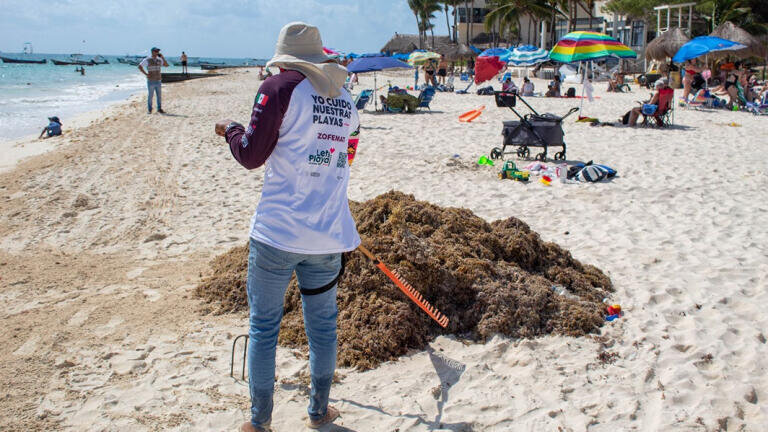
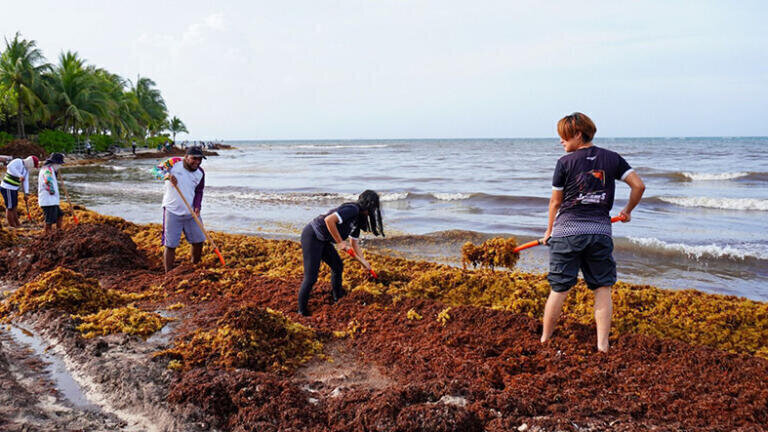
The ongoing influx of sargassum on Caribbean coastlines, especially along Mexico’s Quintana Roo region, has worsened a complex environmental problem. As the seaweed decays, it releases toxic gases like hydrogen sulphide (H₂S) and ammonia (NH₃), which threaten the health of local communities and tourists and also harm marine ecosystems. To address these concerns, a researcher from the National Polytechnic Institute, working with the Caribbean Air Quality Monitoring Network, launched a project to monitor gaseous emissions from sargassum decay.
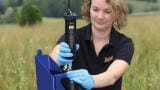
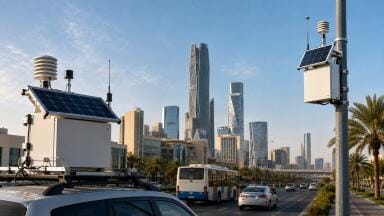
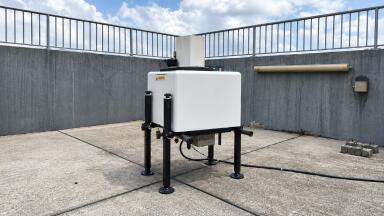
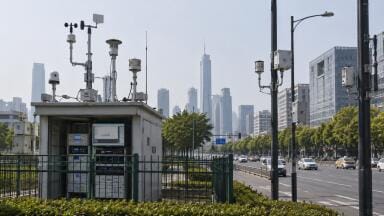
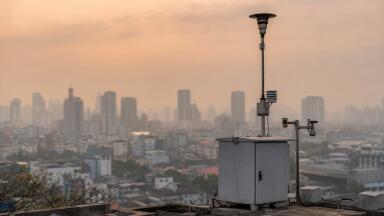
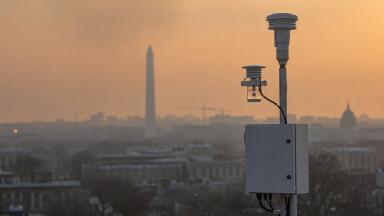
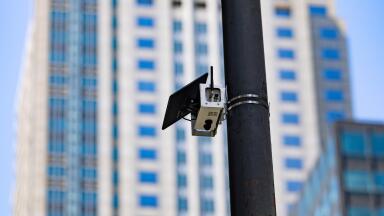
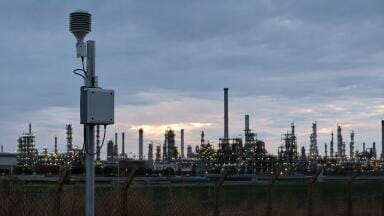
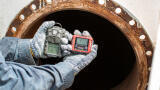
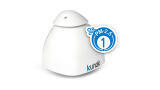
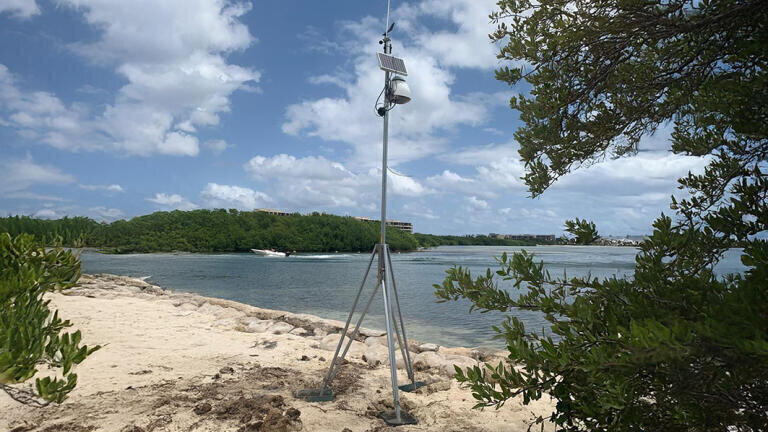
To provide accurate and real-time data on toxic gas levels, the research team collaborated with Repmex, Kunak’s distributor in Mexico, to deploy a network of Kunak air quality monitoring systems. Two Kunak AIR Lite units and one AIR Pro unit were strategically placed near the sargassum accumulation areas. These systems were equipped with sensors specifically designed to detect NH₃ and H₂S, and they were supplemented by a portable methane (CH₄) detector for personal safety, which included audio and visual alarms for operational safety during beach cleanup activities.
The monitoring stations, powered by solar panels to ensure continuous operation in remote coastal zones, also integrated mechanical anemometers to measure wind speed and direction—critical for modeling gas dispersion. All environmental data is transmitted wirelessly to the Kunak Cloud platform, enabling continuous remote analysis and system oversight without requiring on-site presence.
Initial findings from the deployment revealed clear connections between large sargassum landings and increased levels of H₂S and NH₃, confirming concerns about exposure risks for humans and wildlife. The dataset has allowed researchers to identify when and where exposure peaks occur, assess health risks, and support calls for expanded monitoring systems. These insights are already helping guide public health efforts, cleanup strategies, and early warning systems.
This initiative emphasises the technical feasibility and scientific importance of autonomous air quality monitoring systems in coastal areas, providing a scalable model for addressing the environmental impacts of sargassum in the Caribbean and beyond.
IET Guide 2026

 Product directory