Water quality monitoring
Published over 8 years ago. See the latest and most current information on Water quality monitoring.
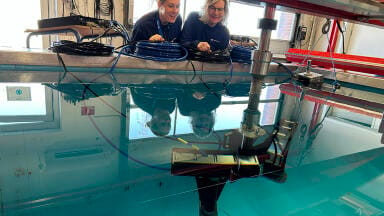
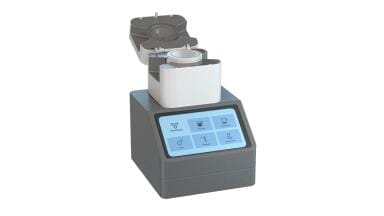
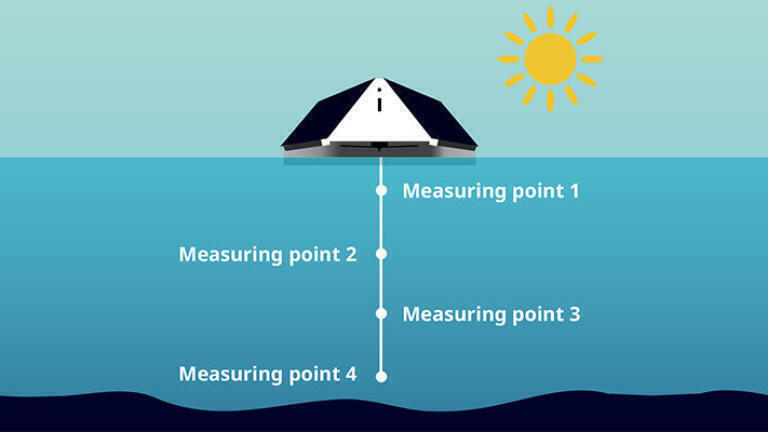
LG Sonic is working on the development of a new solution to monitor water quality at different depths in a water body, called MPC-Lab. The system will communicate with MPC-View, a user-friendly cloud software that stores and analyses all received water quality data.
The development of the MPC-Lab highlights LG Sonic’s approach to the water industry market, offering innovative solutions that use water quality data and environmentally friendly technologies to provide a complete solution. In 2014, LG Sonic introduced the MPC-Buoy, a unique solution for controlling algae in large water reservoirs in an environmentally friendly way by combining water quality data and LG Sonic ultrasound technology. With the MPC-Buoy, LG Sonic received different innovation awards, like the AquaTech Innovation Award and Shell LiveWIRE Award.
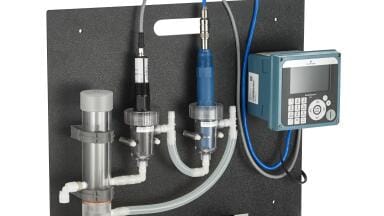
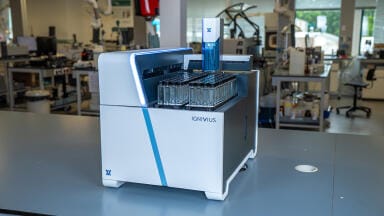
Sonic MPC-Lab will combine the most innovate methods to monitor water quality. MPC-Lab can be pre-set to take samples from different depths in a water body and measure any parameters on the platform. For data transmission with the MPC-View water quality software, the system will use GPRS, 3G, or satellite. MPC-View water quality software allows the customer to find an overview of the water quality of one or multiple water bodies. The software provides real-time insights into water quality and allows users to set up specific alarms to inform about changing parameters or maintenance activities. In addition, LG Sonic will make use of Artificial Intelligence (AI) to further develop the software algorithm which will make it possible to predict algal blooms based on water quality data automatically.
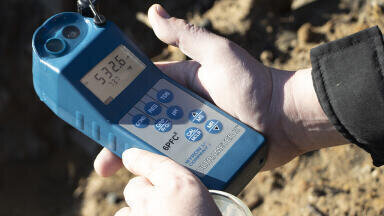
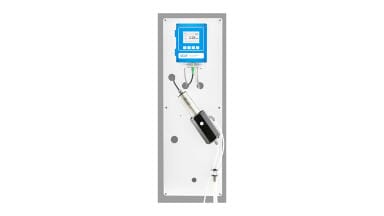
To offer a complete overview of the water quality, MPC-lab will monitor the following parameters, PO4 (Phosphate), NO3 (Nitrate), NH4 (Ammonium), Chlorophyll a, and COD (Chemical oxygen demand) etc. The water quality sensors are equipped with a wiper mechanism for automatic cleaning of the sensors after each reading, keeping the maintenance to a minimum and the readings accurate.
IET 36.5 Sept/Oct 2026


 Product directory




.jpg)










.jpg)